Robots for aged care
Aged care homes run on tight margins and thin rosters. Robots can take on quiet overnight floor care and small supply runs, if the building and the routes are planned with your staff first.
Robots do not belong in every part of an aged care home. In the right parts, at the right hours, they take on work nobody wants to rush.
The jobs a robot takes on
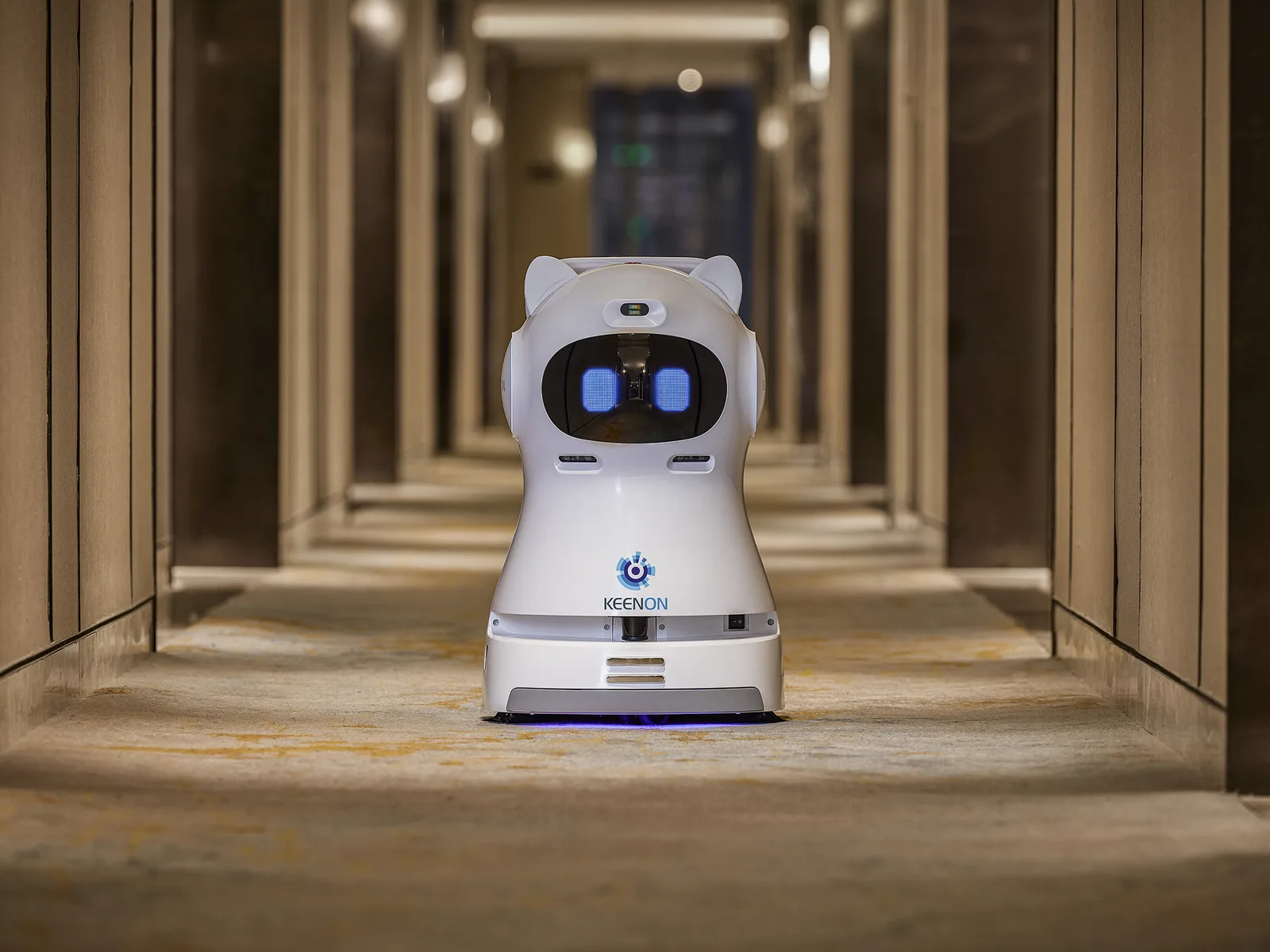
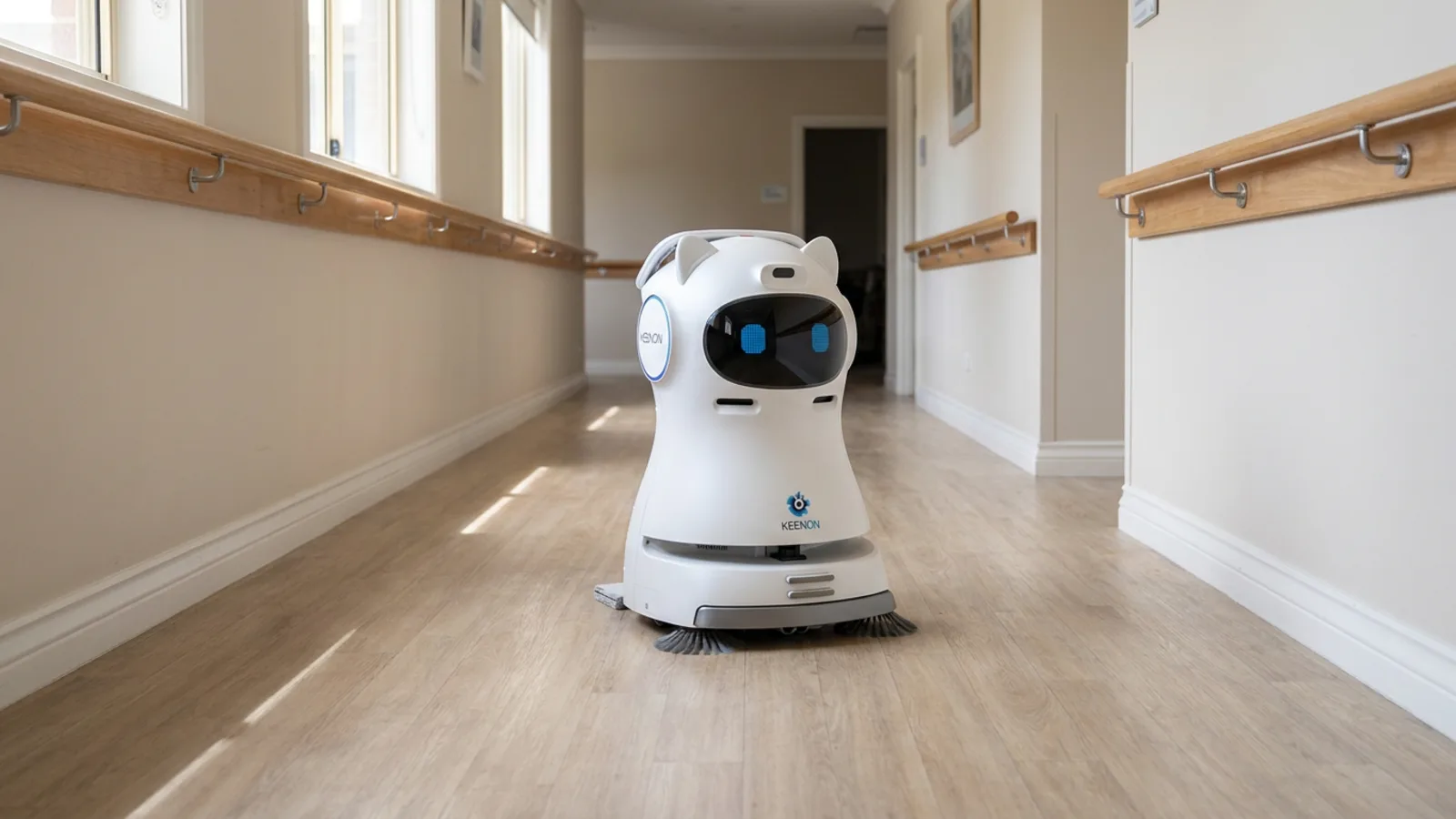
Overnight floor care. The KLEENBOT C30 and KLEENBOT C40 clean foyers, dining rooms, lounges and long corridors while residents sleep. In a published study of one Australian home, staff valued overnight floor cleaning most, because it was done while everyone was asleep.
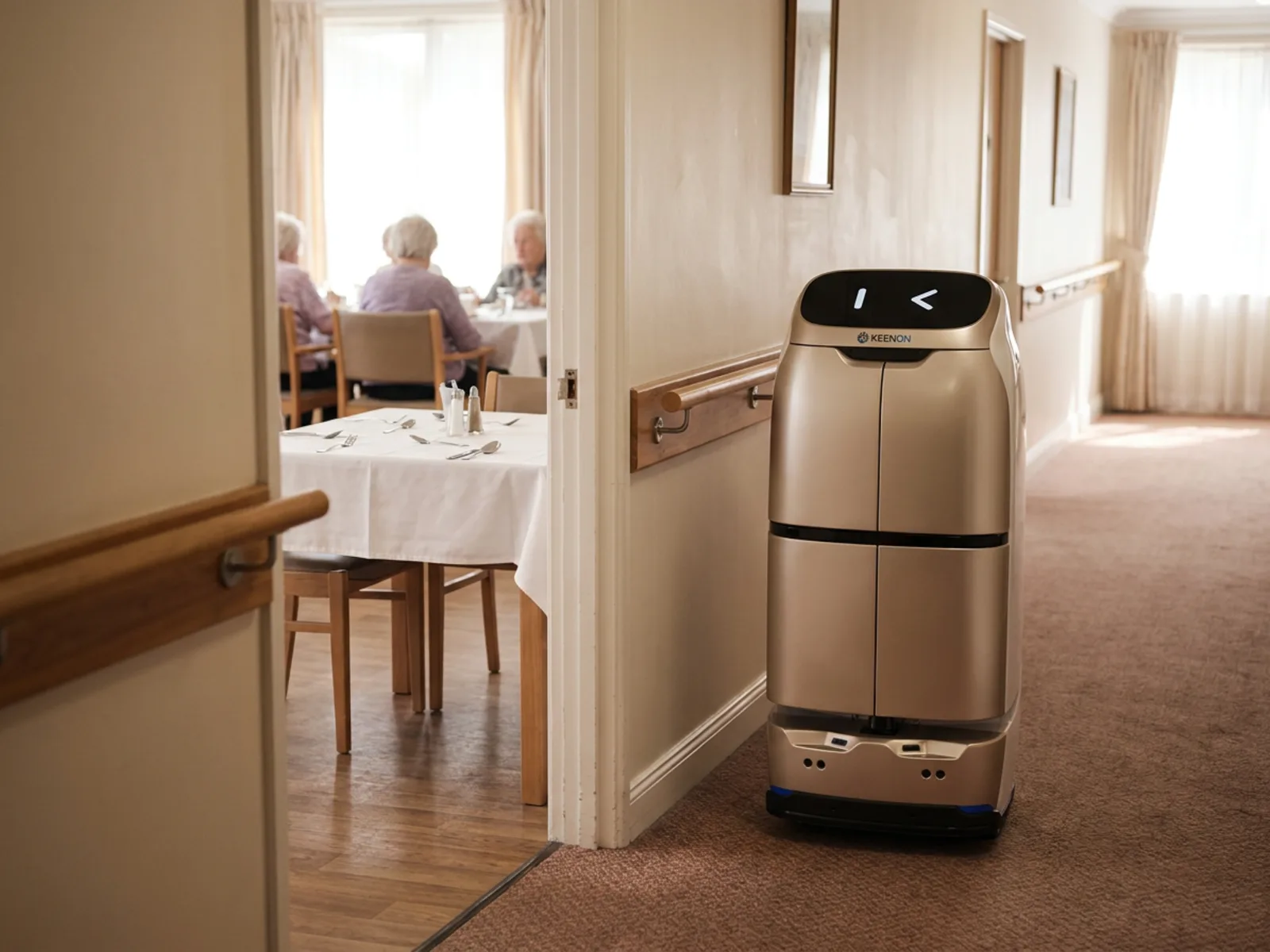
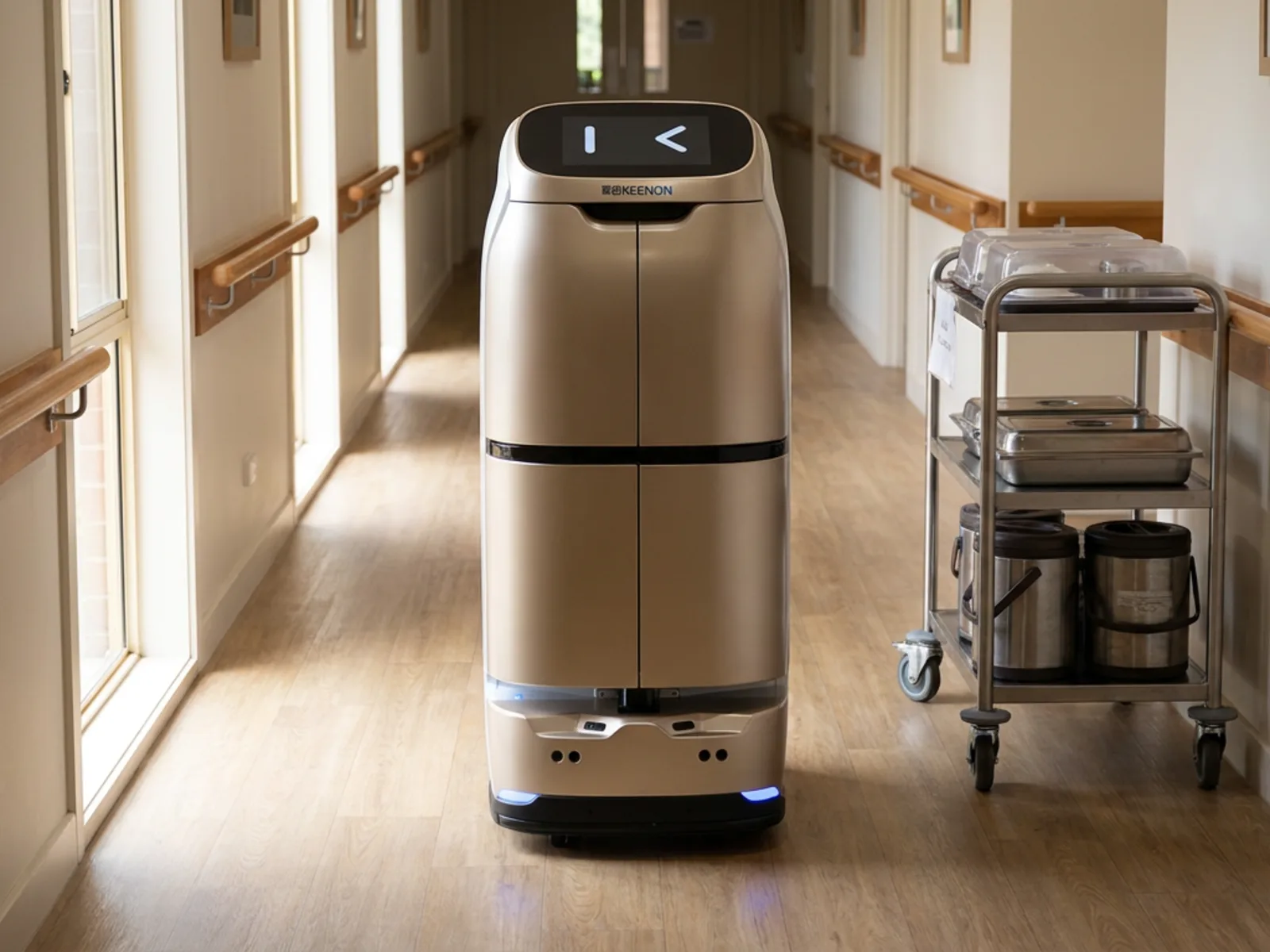
Small, secure supply runs. The Butlerbot W3 is an enclosed cabinet robot. It suits mail, personal items, snacks and drinks, supplies to a nurse station and after-hours runs for night staff. It is not a trolley tug. It does not replace meal tray or linen trolley hauling between wings.
Between wings. Where a route is flat, the doors can be passed and the lift is integrated, the same small runs can cross the building without a staff member leaving their floor.
The pressure on homes
Australia had 2,590 residential aged care homes with 224,493 places at 30 June 2025. Homes must meet care minute targets of 215 minutes per resident per day, including 44 from registered nurses. Every hour a carer spends on something else is an hour off the floor.
Staffing is tight as well. Aged or Disabled Carer is rated in shortage in every column of the 2025 Occupation Shortage List. The Department of Health counts cleaners and transport drivers as non-direct care roles, so cleaning and carrying time never counts towards care minutes. A robot does not change that. It can only take some of the cleaning and carrying off the people doing it.
Money is tight too. StewartBrown found 62% of homes were running at an operating loss in the nine months to March 2026. Homes will weigh any robot as a running cost, and should ask for it to be evidenced.
The new Aged Care Act started on 1 November 2025 and is rights-based, and its Statement of Rights includes privacy. Standard 4 of the strengthened Aged Care Quality Standards, in force since the same date, covers a clean, safe environment and infection prevention and control. Scheduled, logged cleaning runs support your evidence. A robot does not disinfect, and we do not say it does.
Learning from what has gone wrong
An Australian study followed ten service robots over five years in a regional home. Several lighter delivery and cleaning robots were dropped after four months over scheduling, maintenance, reliability and cost. The home had to upgrade Wi-Fi, lifts and doors. Staff wanted wider corridors and a robot that says excuse me.
We take that seriously. It is why we survey ramps, doors, lifts and Wi-Fi first, and why we want your staff to help plan the routes. Train several people, not one robot caretaker.
Practical limits
- Check every ramp against the manufacturer's slope limit before any quote.
- Keep robots out of dementia wings, bedrooms and bathrooms.
- Run floor cleaning when corridors are clear.
- Sort out what the robot's sensors record and where, and tell residents and families.
Terms
Pilot length, rent or buy and service arrangements are agreed for each home. Ask us what a sensible trial looks like for yours.
Book a demo and we will start with a conversation about your layout.
The robots for this work
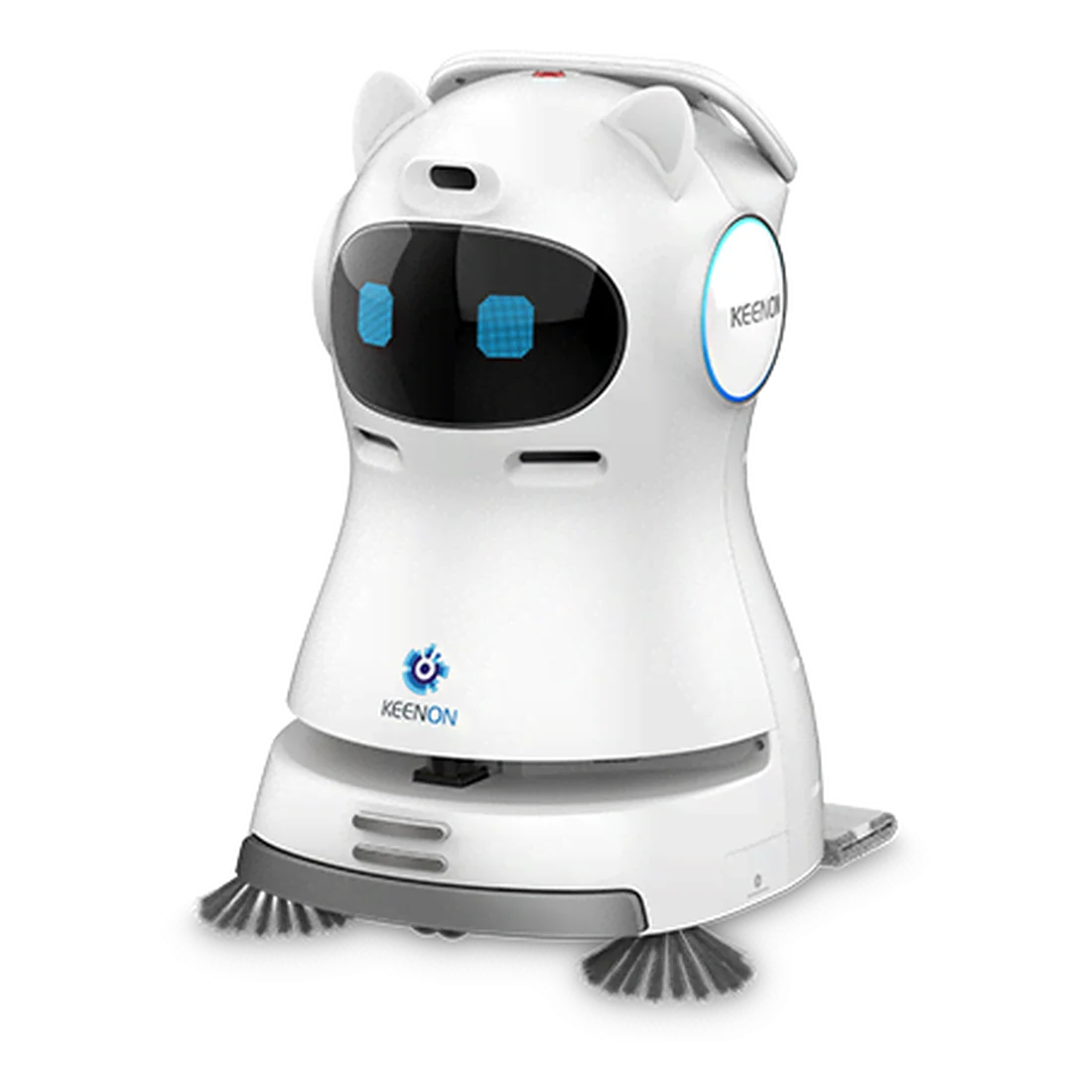
Floor cleaning
KLEENBOT C30
Keenon's compact 3-in-1 dry cleaning robot. It sweeps, vacuums and dust mops commercial floors without water.
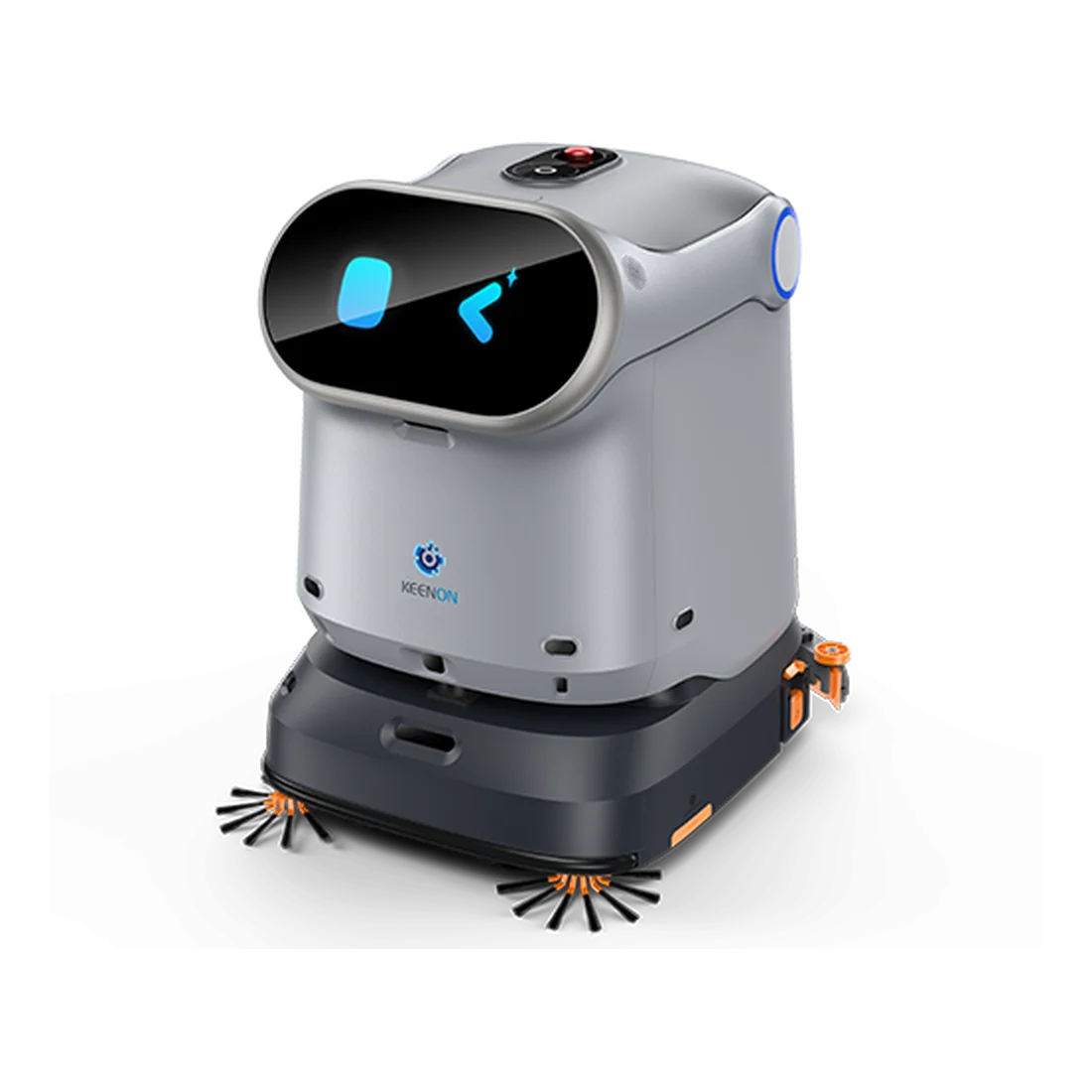
Floor cleaning
KLEENBOT C40
Keenon's 4-in-1 floor cleaning robot. It sweeps, vacuums, scrubs and dust pushes, on hard floors and short-pile carpet.
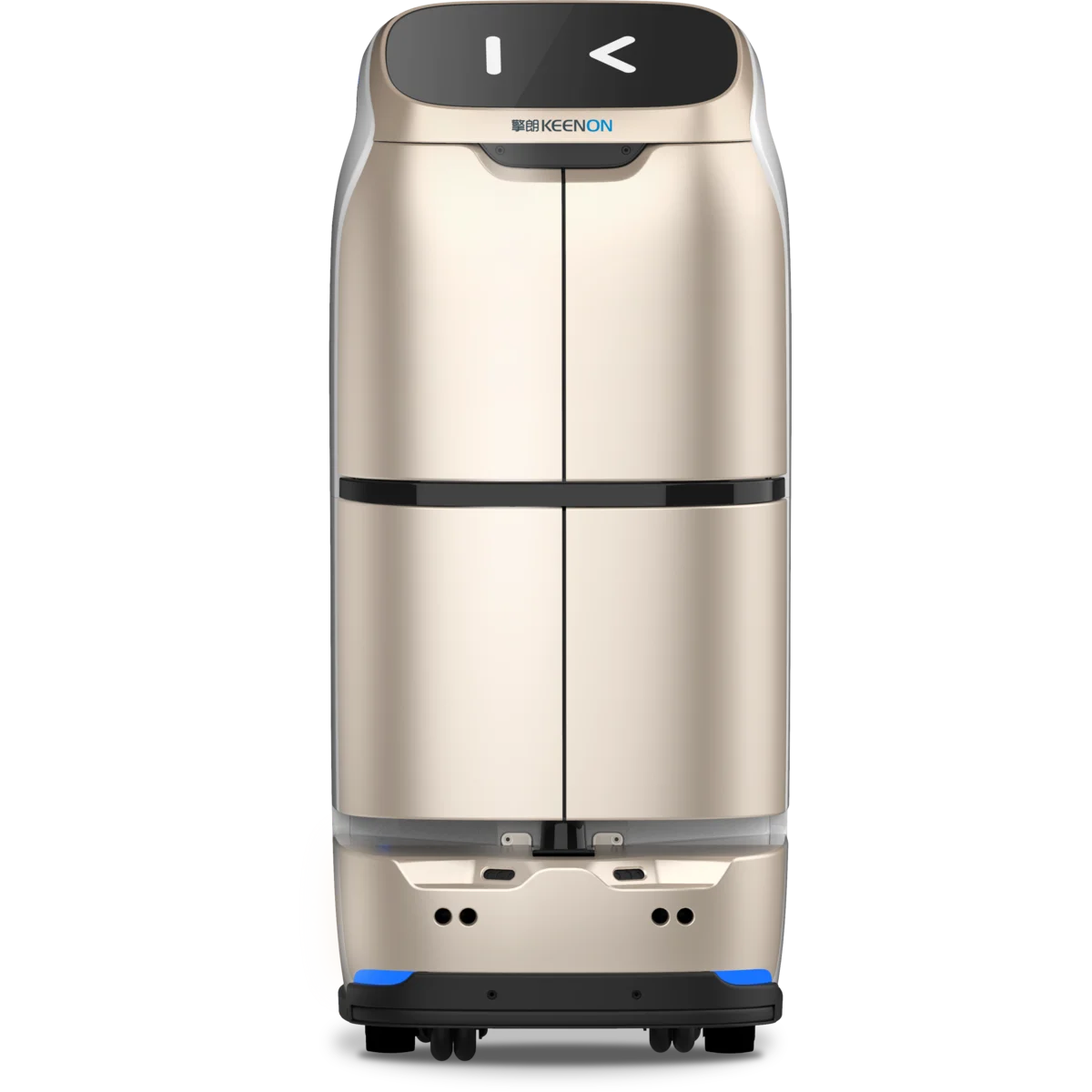
Room delivery
BUTLERBOT W3
Keenon's enclosed delivery robot for hotels and similar buildings. Up to four compartments, automatic doors and the ability to take the lift.
Questions we get asked
Will a robot replace carers or count towards care minutes?
No. Robots do not provide care and do not count towards care minutes. The purpose is to take cleaning and carrying jobs off people so carers spend more of their shift with residents.
Where do robots not belong in an aged care home?
Bedrooms, bathrooms, dementia wings and cluttered corridors, and busy times when residents are moving about. We map only the areas that suit and keep the robot out of the rest.
Do wet cleaning robots create a slip risk?
Wet scrubbing leaves moisture on the floor, which matters where falls are the main clinical risk. In resident areas we discuss dry cleaning options first and agree wet cleaning only for the times and places where it is safe.
Has this kind of robot failed in aged care before?
Yes, in some cases. A published study of one Australian home found some robots were dropped after four months over reliability and cost. We plan the survey, routes and support to avoid the same problems, and we are open about the limits.
What privacy questions do robots raise?
Robots use sensors to navigate. Providers should know what is captured, what is stored and where robots never go. We can walk your privacy and clinical governance people through it before anything is installed.
Will it scare residents with dementia?
Reactions vary, so we keep robots out of dementia wings by default and involve your clinical staff before anything is installed. A moving machine can distress some residents, and we would rather start in areas without them.
What if a resident steps in front of the robot?
Keenon describes 3D obstacle avoidance on the Butlerbot W3. We also agree quiet hours and routes so robots meet fewer people, and a person should always be able to stop one.
When is the best time to run a cleaning robot?
Overnight, when corridors are clear and residents are asleep. In the published Australian study, staff liked overnight floor cleaning most.
Does a cleaning robot help with the Aged Care Quality Standards?
It can support your Standard 4 cleaning evidence through scheduled, logged runs. It does not disinfect, and it does not replace infection control practice.
Can the robot replace meal trolley and linen runs?
No. The Butlerbot W3 is a cabinet robot for small items, not a trolley tug. It suits mail, snacks, supplies and after-hours runs.
See one on your floors
Tell us about your building and we will book a demo with a Keenon robot.