Butlerbot W3
Keenon's enclosed delivery robot for hotels and similar buildings. Up to four compartments, automatic doors and the ability to take the lift.
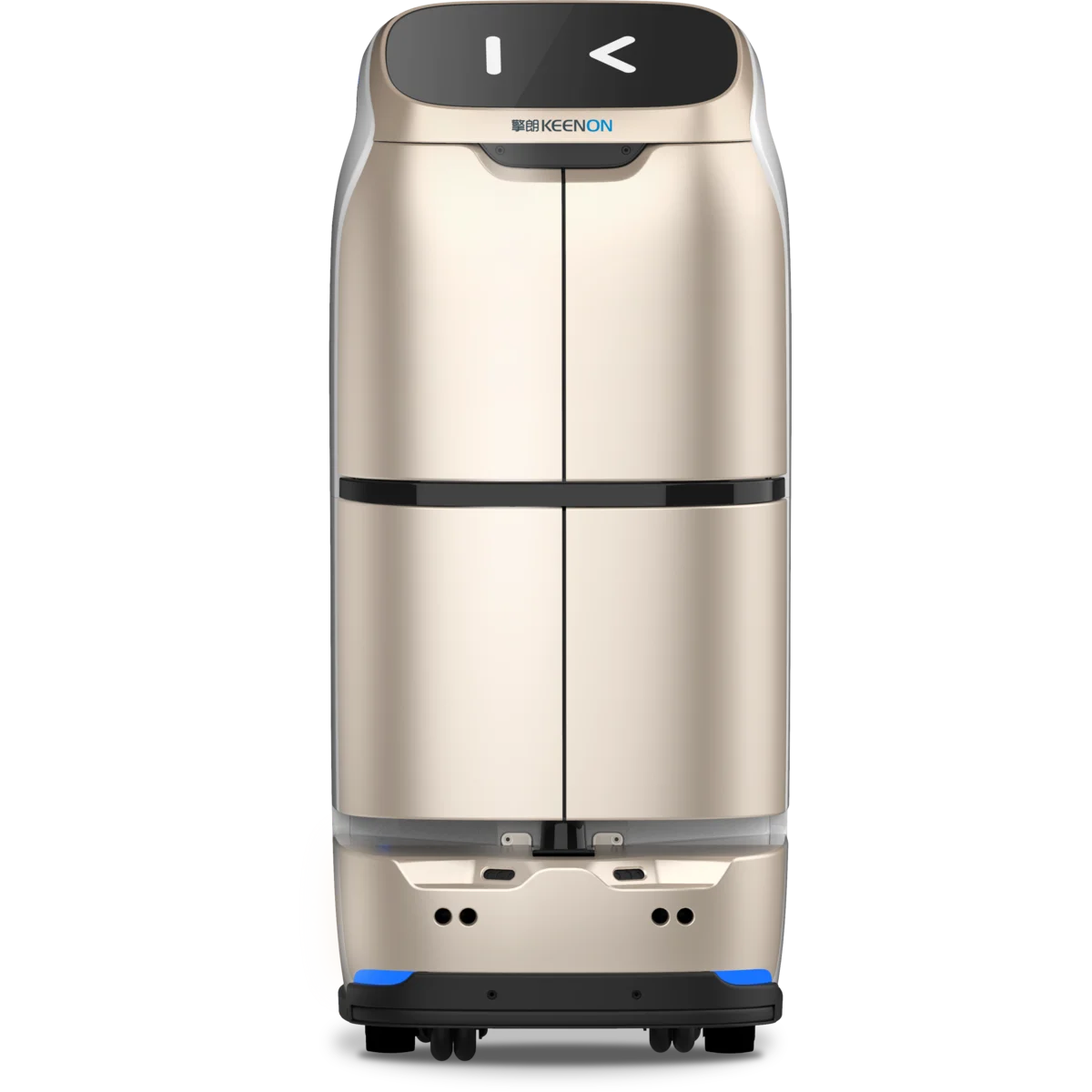
The Butlerbot W3 is Keenon's delivery robot for buildings where small items need to reach rooms and wards on different floors. It carries things. It does not clean, serve at tables or act as a trolley tug.
What it does
Staff load the compartments and send the robot to a destination. It drives there, the recipient opens the door and takes the item, and the robot goes back to base or its charger.
Keenon describes four features worth knowing:
- Compartments. Adjustable up to four, each accessible independently, so a single run can serve up to four locations.
- Doors and ventilation. Automatic doors and ventilation, which Keenon says support contactless, private, spill-resistant delivery.
- Lift riding. Keenon calls it the IoT Elevator Rider and says it can take the lift for item delivery.
- Obstacle avoidance. Keenon describes 3D obstacle avoidance and the ability to pass continuous bends.
How it works in a building
The robot learns each floor in a mapping step, then follows set routes between stops. On one floor it needs a clear path at least as wide as Keenon's minimum passage width. Between floors it needs a lift that has been integrated with it.
Keenon lists accessories including a charging pile and an access control module. The page does not explain how each fits a given building, so we confirm the details with Keenon for each site.
What your building needs
- Wi-Fi along the route and, if it rides the lift, in the lift car.
- A mapped floor for every level it works on.
- A lift that can be integrated, with your lift maintenance contractor on board.
- A charging spot close to where runs start.
- Gentle slopes. Keenon lists 7 degrees as the slope angle, and stairs are out.
- Doors it can pass. Automatic or access-controlled doors may need their own connection. We check them at the survey.
Safety and consultation
Under work health and safety law the person with management or control of the building carries duties for plant, and suppliers must pass on information about proper use and risks, as Safe Work Australia explains. The model code of practice says to consult workers as early as possible when new plant is introduced. We help with the information your safety team asks for.
Keenon does not publish its lift protocols, battery details beyond runtime, noise level or certifications on the product page. We will confirm what we can with Keenon before you decide.
Setup and support from glidebot
We run a site survey, map the floors, coordinate the lift connection with your lift contractor and train your team. After that, questions and faults come to us. Details such as price, rent or buy, trial length and servicing are worked out per building. Ask us.
Who it suits
- Hotels with multiple floors and in-room dining or frequent amenity requests.
- Hospitals for routine, non-clinical supply runs.
- Aged care for small, secure runs. It is a cabinet robot, not a replacement for trolley hauling.
- Offices and clubs with several floors and small items to move.
It is a poor fit for single-level buildings with little to carry, or buildings whose lifts cannot be integrated at a sensible cost.
Read how a delivery robot rides the lift, then book a demo.
Where it is running
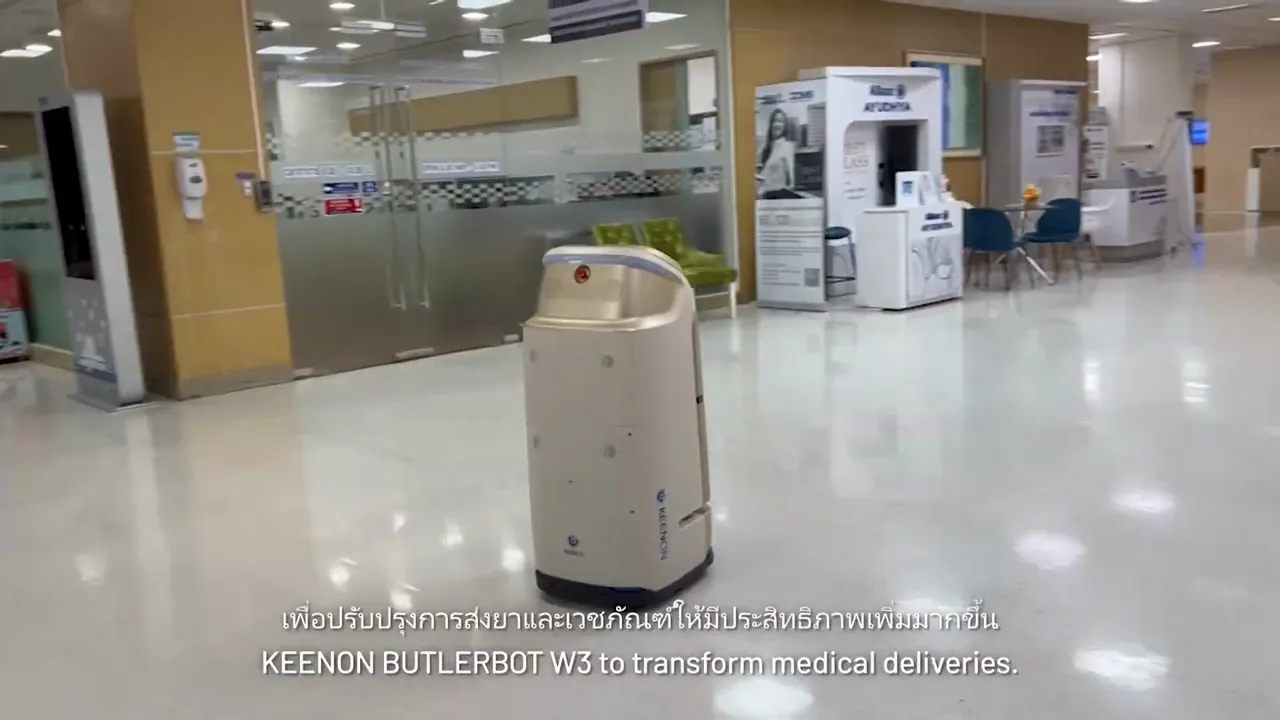
Bangkok Hospital Rayong: medicine delivery with a Butlerbot W3
Bangkok Hospital Rayong, Rayong, Thailand
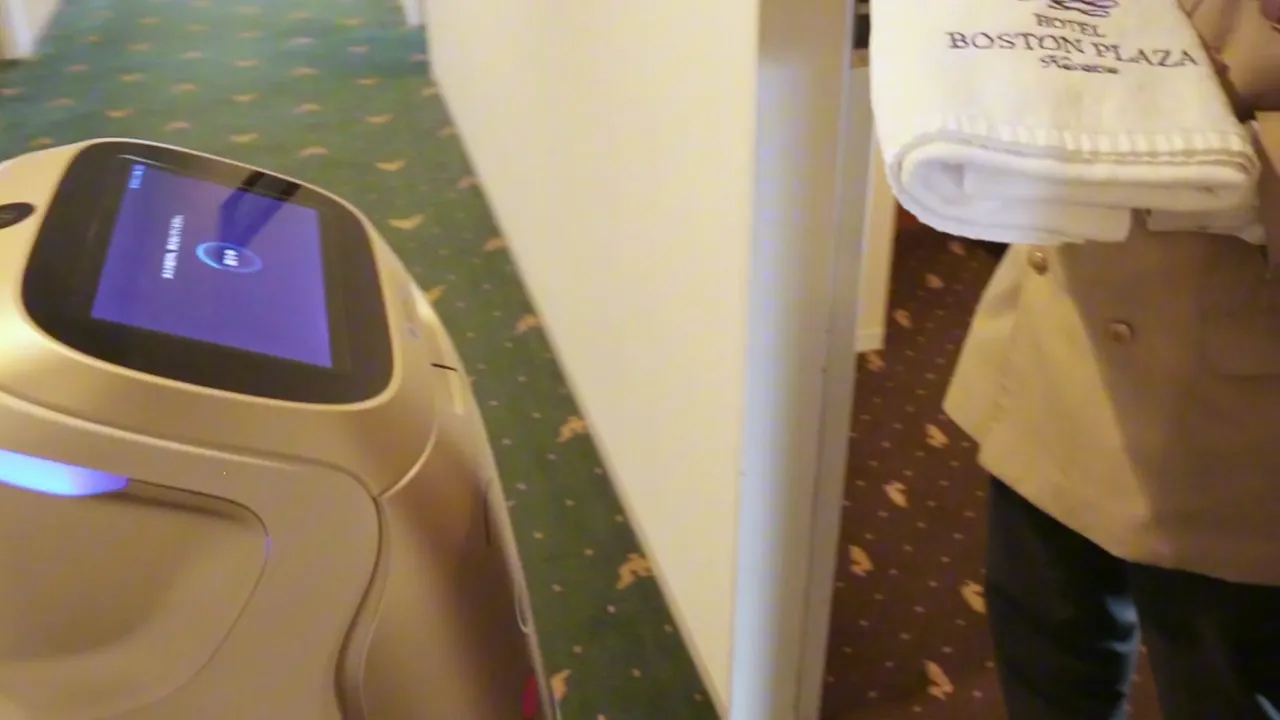
Hotel Boston Plaza Kusatsu Biwako: amenity delivery by lift
Hotel Boston Plaza Kusatsu Biwako, Kusatsu, Shiga, Japan
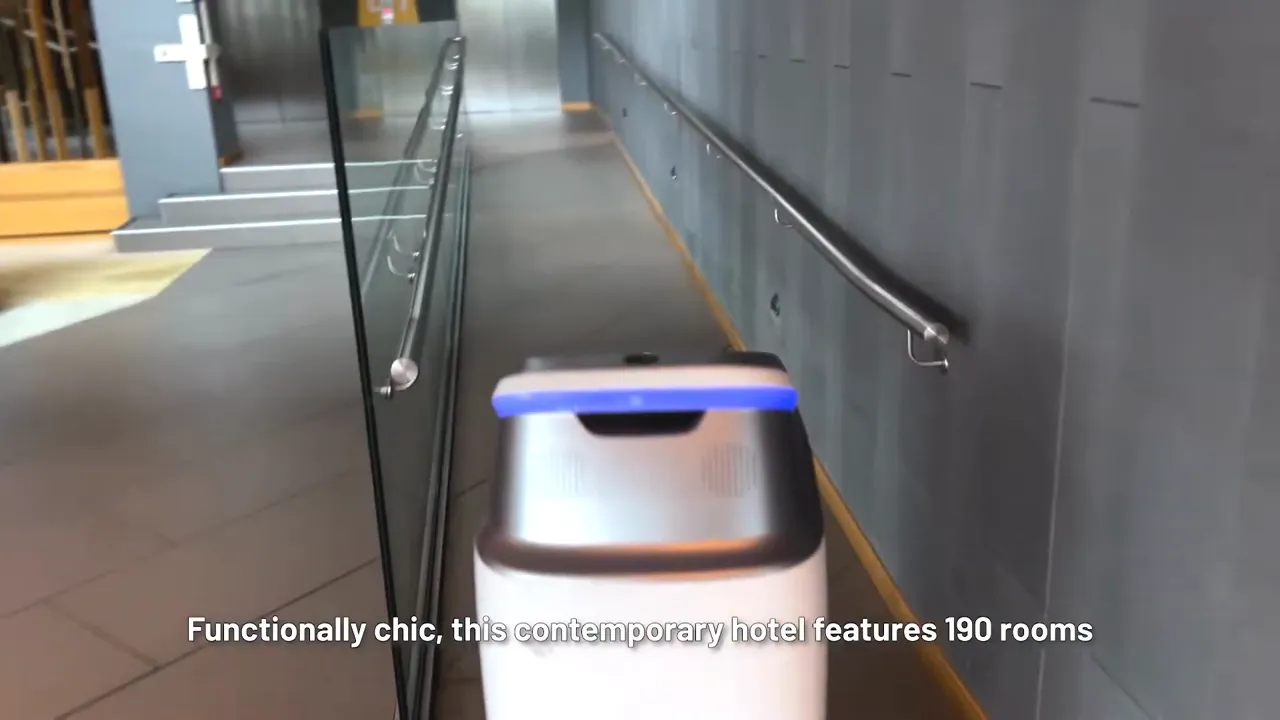
M Social Auckland: a Butlerbot W3 in a New Zealand hotel
M Social Auckland, Auckland, New Zealand
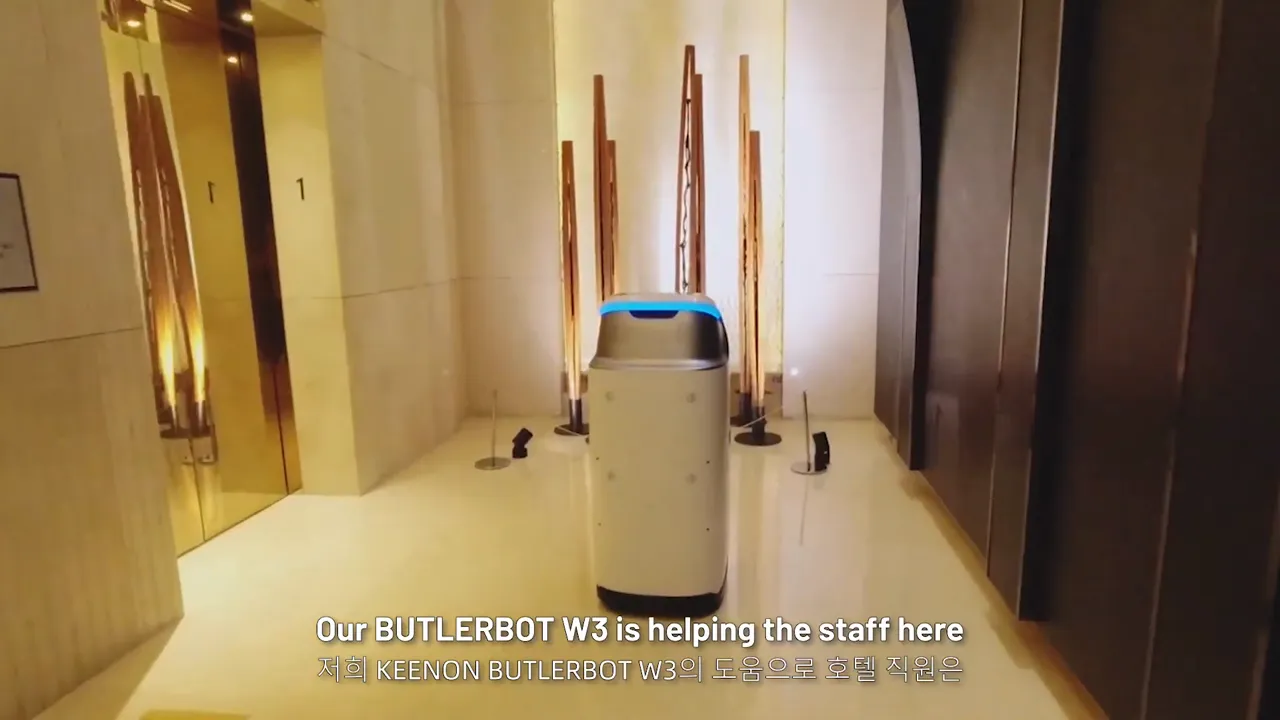
Sheraton Grand Incheon: a Butlerbot W3 in a Korean five star hotel
Sheraton Grand Incheon Hotel, Incheon (Songdo), South Korea

Sheraton Grande Tokyo Bay: a Butlerbot W3 guiding guests in the lobby
Sheraton Grande Tokyo Bay Hotel, Urayasu, Chiba, Japan
Where it fits
Robots for hotels
Hotels are short of housekeeping and night staff, not short of work. A delivery robot takes the towel and amenity runs. A cleaning robot takes the lobby and corridor floors overnight.
Robots for aged care
Aged care homes run on tight margins and thin rosters. Robots can take on quiet overnight floor care and small supply runs, if the building and the routes are planned with your staff first.
Robots for hospitals
Hospitals have long corridors, many lifts and staff who should be with patients. Robots can carry routine supplies and clean corridors, within the rules your infection control and facilities teams set.
Robots for offices and clubs
Offices, clubs and venues have large floors to keep clean and odd hours. Cleaning robots work after close without anyone on a roster, and a delivery robot can carry items between floors.
Questions we get asked
What can the Butlerbot W3 carry?
Keenon lists a total load capacity of 20kg. Keenon says the compartments are adjustable up to four, each accessible independently, so one trip can serve up to four locations.
Can it use the lift?
Keenon describes it as an IoT elevator rider that can take the lift for item delivery. The lift has to be integrated with the robot, and your lift contractor has to agree. Keenon's page does not publish which lift systems it supports, so we confirm that for your lift before you commit.
Can it go up stairs or steep ramps?
No stairs. Keenon lists a slope angle of 7 degrees, so check every ramp on your route against that figure.
Is the food or the item protected?
Keenon says automatic doors and ventilation keep delivery contactless, hygienic and private, with spill prevention. The doors open for the person receiving the item.
How wide does a corridor need to be?
Keenon lists a minimum passage width of 70cm. Real corridors also have people, trolleys and corners, so we check the actual route at the survey.
Is the W3 suitable for specimens or medication?
We do not position it for those. Keenon does not publish clinical handling claims. Use it for routine items and keep clinical logistics in your own systems.
How long does the Butlerbot W3 run on one charge?
Keenon lists battery life of up to 12 hours and a charging time of 6.5 hours. Real run time depends on how often it travels and how many lifts it rides.
How big and heavy is it?
Keenon lists 45.9 x 54.9 x 108.1 cm and a weight of 48kg. That puts the top of the robot at roughly waist to chest height on an adult.
Does it need staff to load it?
Yes. A staff member loads the compartments and sends it to a destination, then the recipient opens the door and takes the item. Nobody has to walk the run.
What happens if the Wi-Fi drops in a lift car?
Robots rely on a network where they work, and a weak signal in a lift car is a common trouble spot. We test coverage along the route and in the car at the survey, and agree what to do about any dead spots.
The rest of the range
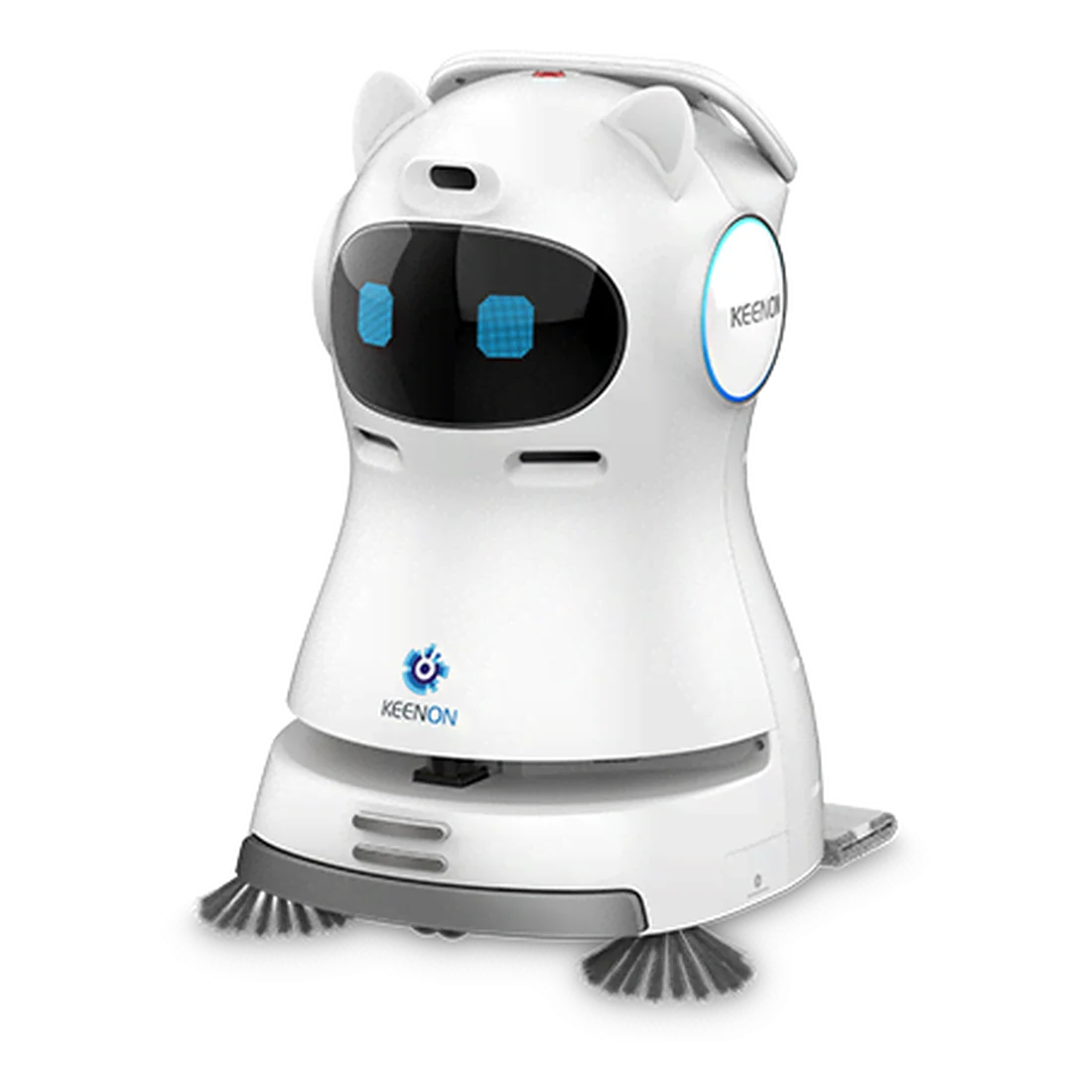
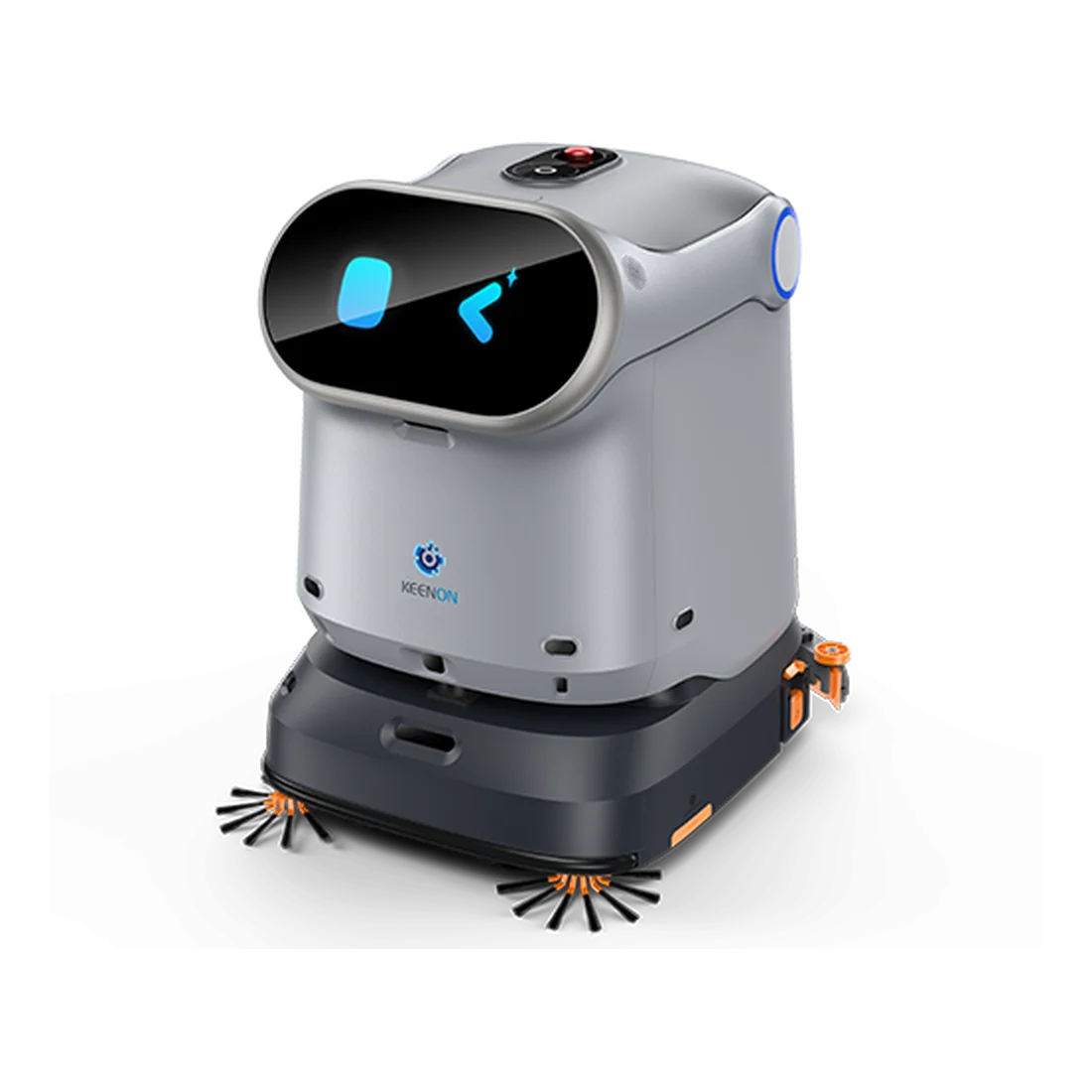
See one on your floors
Tell us about your building and we will book a demo with a Keenon robot.