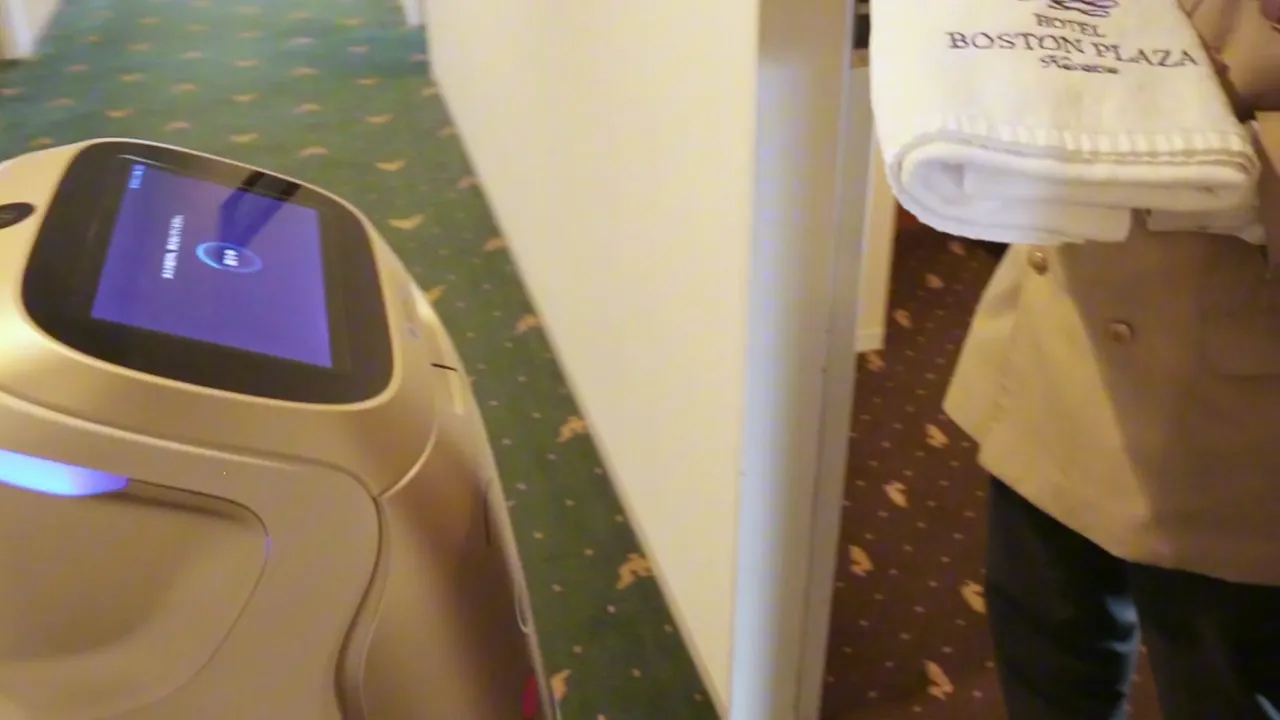
Bangkok Hospital Rayong: medicine delivery with a Butlerbot W3
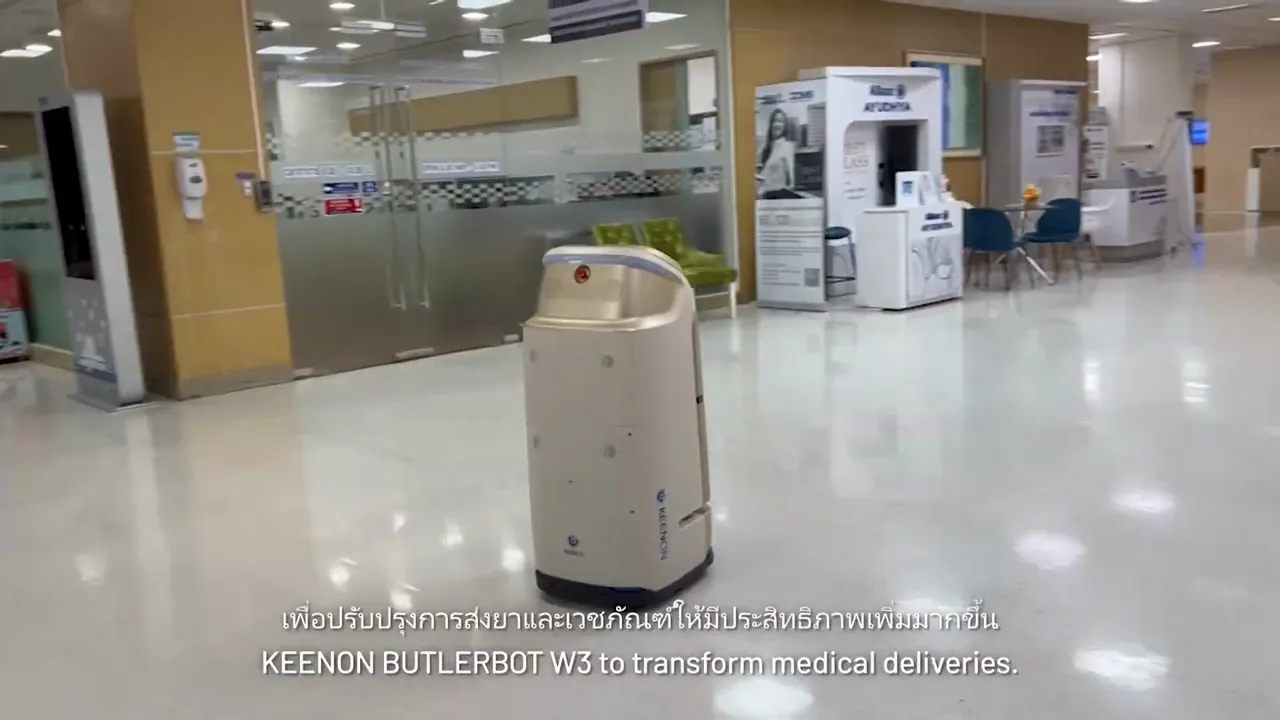
Keenon says a Thai hospital uses the Butlerbot W3 to carry medicines from the central pharmacy to every floor. This is a Keenon deployment overseas, not a glidebot installation.
This is a Keenon deployment overseas. It is not a glidebot installation.
This is a Keenon deployment overseas. It is not a glidebot installation. glidebot has no Australian installations yet. We use this case to show what the robot does in a real building, and every figure below is attributed to the party that made the claim.
The venue
Keenon's video describes Bangkok Hospital Rayong as a main healthcare institution in Rayong Province, Thailand. We found no independent coverage of this deployment, and the hospital's own site gave no detail on it. This is the thinnest evidence of the cases on this site, so we keep the claims narrow.
The problem
The video does not describe a specific problem, a baseline or a before and after comparison. It says the hospital recently implemented the Butlerbot W3 to transform medical deliveries with lift integration, and that the aim is to let staff focus on core responsibilities.
What the robot does there
According to Keenon's narration, the Butlerbot W3 travels long distances efficiently and moves medicines from the central pharmacy on the ground floor to each nurse station and service desk on every floor of the hospital. It uses lift integration to change floors. The narration says this lets hospital employees and nurses focus on their core responsibilities and streamlines workflows. No numbers are given, such as trips per day, minutes saved or error rates.
What was reported
Only Keenon's claim in the video. No hospital spokesperson is quoted, and no outcome is measured. We cannot say how many robots are in use, whether it runs overnight, or how medicine security and sign-off are handled.
What an Australian site can take from it
The use case is plausible, and public sources show the kind of work involved. Queensland Health's careers page says operational services officers help with meals, laundry and waste and move equipment and supplies around the hospital. The state's Statewide Robotics Plan 2024 to 2029 says robotics should support the workforce and that staff may be retrained as needed. A robot does not replace the people who do this work. It may take part of the carrying so they can do more of the rest.
Hospitals raise extra questions, and we would not answer them without a survey.
- Medicines. Moving medicines raises security, sign-off and chain of custody questions. Ask your pharmacy and governance team before any trial.
- Lifts. Hospital lifts carry beds and patients. Agree priority rules with your lift contractor. See our brief on lift integration.
- Infection control. Cleaning and storing the robot must fit your policies.
- Safety and privacy. Walk through our WHS checklist and the notes on privacy and cameras.
Why the evidence is weak
Everything in this case is one supplier video of about a minute. It names the hospital and the route but gives no numbers, no hospital voice and no outcome. For a buyer, the right reading is that Keenon has deployed the W3 in a hospital setting, not that it has been shown to improve hospital logistics. If a hospital pilot matters to you, ask Keenon for a reference you can speak to, and tell us what you hear.
Related pages
See the Butlerbot W3 and our page for hospitals. To talk about a site, contact us.