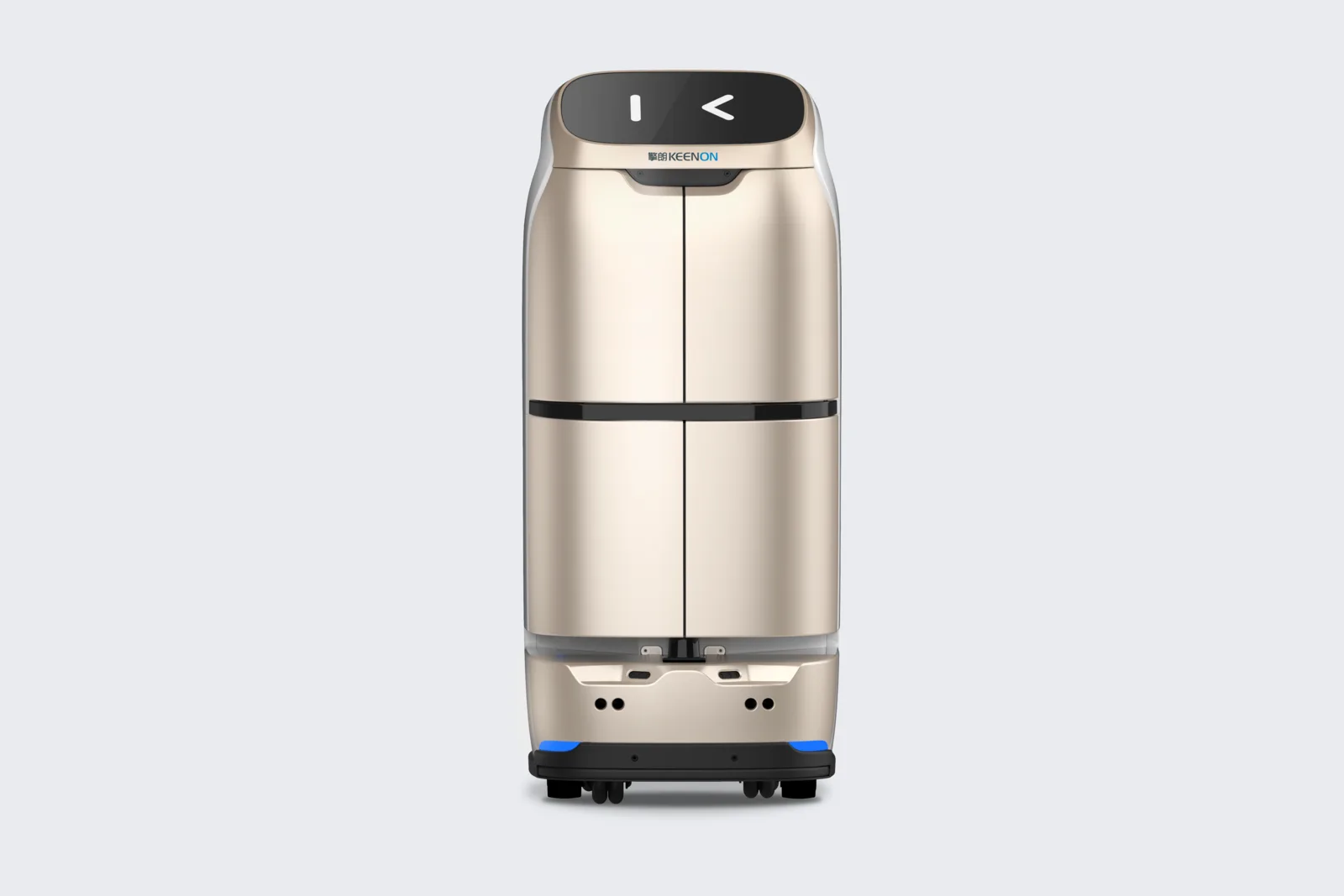
Privacy and cameras: robots in hotels and care homes
Robots see their surroundings. Before one rolls down a corridor of guests, residents or staff, work out what it senses, what it stores and who has to be told.
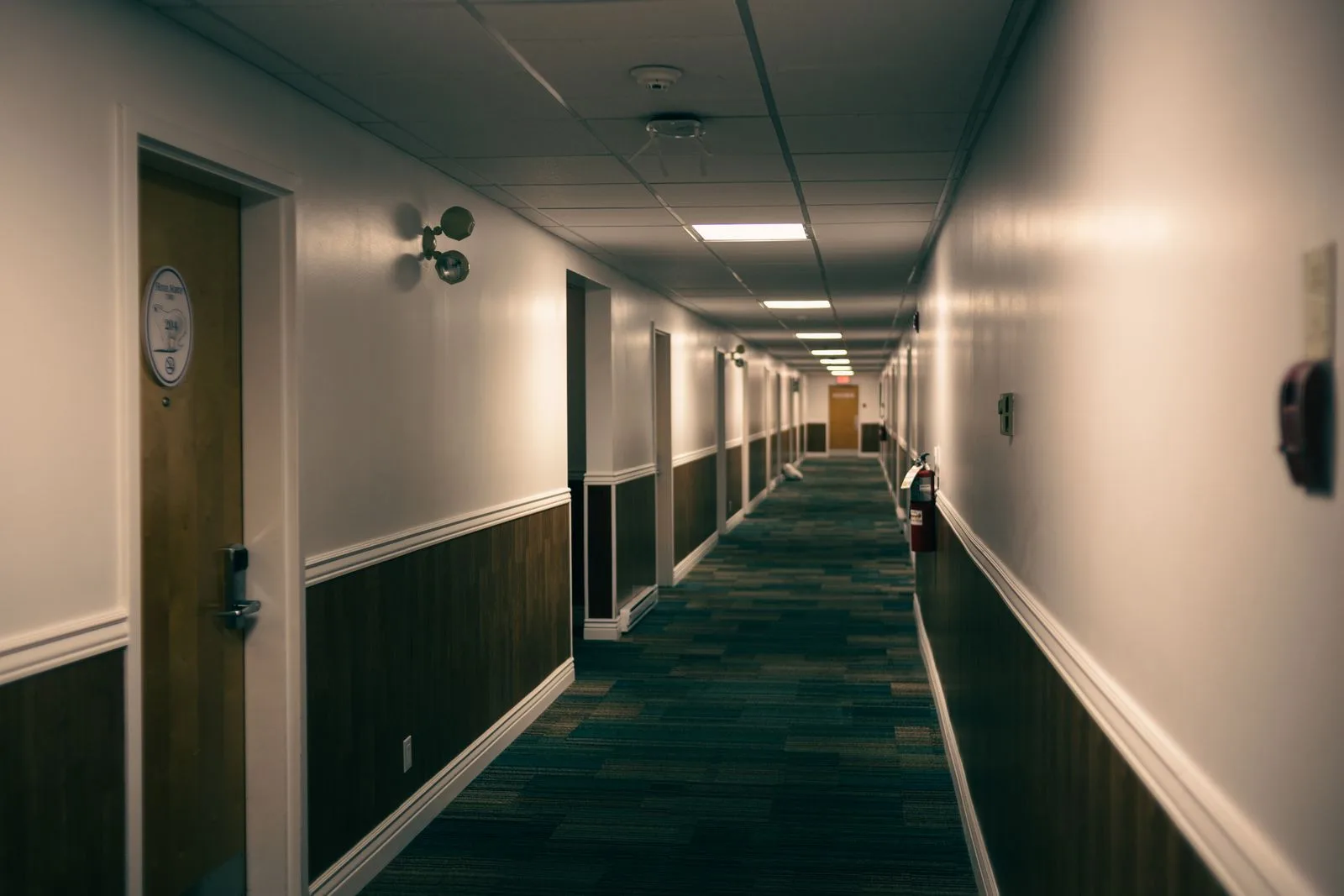
A modern service robot navigates with sensors. Some use cameras, some use lidar, some use both. In a hotel corridor or a care home, the people it passes did not choose to be sensed. So before you deploy one, work out what it captures and who must be told.
This is general information, not legal advice. Check with the OAIC and your state or territory authority.
Start with what the robot senses
Ask the supplier three things, in writing.
- Which sensors does the robot carry: cameras, microphones, lidar, depth sensors?
- Does it record or store any images, audio or maps? For how long?
- Does anything leave the robot, and if so, where does it go?
See the Keenon W3 product page and the Keenon C40 product page. They describe obstacle avoidance but do not give a full sensor list or a data policy. Until we have that, we will not say what they do or do not capture.
The Privacy Act
The OAIC's guidelines say that collection of personal information includes information from surveillance cameras where an individual is identifiable or reasonably identifiable. CCTV footage that identifies individuals is an example in the guidance on APP 3, and entities should collect only what is reasonably necessary for their functions.
On security cameras, the OAIC says covered organisations must tell people their image may be captured, keep recordings secure, and destroy or de-identify them when no longer needed. It says the Act covers government agencies and organisations with turnover above $3 million, plus some others. So whether it applies to you depends on your size and type. Ask the OAIC.
The same page says state and territory surveillance laws also apply.
Staff in NSW
If your site is in New South Wales, the Workplace Surveillance Act 2005 applies to camera surveillance of employees. Section 10 requires written notice before surveillance starts, at least 14 days in advance unless the employee agrees to less. The notice must say what kind of surveillance, how it will be carried out, when it starts, whether it is continuous or intermittent, and whether it is for a limited period or ongoing.
The NSW Surveillance Devices Act 2007 also regulates optical surveillance devices, and the two Acts must both be complied with. Other states have their own laws. Victoria, for example, has a Surveillance Devices Act 1999. The rules differ, so do not assume one state's answer fits another. If a robot only maps and does not record images, the analysis may change. Ask a lawyer.
Residents in aged care
Residents have rights too. The Commission's page on the Statement of Rights says providers must respect and protect older people's privacy. Its dignity, respect and privacy standard expects systems that support informed choices and private care.
A practical approach: tell residents and families in plain words, keep robots out of bedrooms and bathrooms, and put the robot in your privacy impact thinking. Our post on robots in aged care covers the wider picture.
Guests in hotels
Guests do not sign a consent form in the corridor. So signage helps. Put a short notice at entries and in the lobby that says a service robot operates here and what it senses. Check your hotel's privacy policy still describes what you do.
A short checklist
- Get the sensor and data answers from the supplier in writing.
- Decide whether the robot's data counts as personal information.
- If it does, update your privacy notice and collection statement.
- In NSW, give staff written notice at least 14 days ahead if camera surveillance applies.
- Put up clear signs.
- Set how long data is kept, who can see it and how it is deleted.
- Review after the trial.
Where to go next
For the data side, ask where the cloud service stores your information. Keenon's chief executive has said the company maintains regionally deployed data infrastructure and works to meet applicable privacy requirements. Ask what that means for Australian law and for your own data.
If you run a hotel, aged care home or hospital, contact us and we will take your privacy questions to Keenon. We supply across Australia.