Robots in aged care under the new Aged Care Act
Care minutes count direct care. Delivery and cleaning robots do indirect work. Here is what the reforms mean for a robot in your home, and what they do not.
The new Aged Care Act has reset how providers think about workforce, rights and quality. If you run a home, you may be wondering where a delivery or cleaning robot fits. The short answer: it does not count towards your care minutes, and it can still help. This post sets out what the reforms say, and what they do not.
This is general information, not legal advice. Check with the Aged Care Quality and Safety Commission and your own governance team.
What changed
The Department of Health, Disability and Ageing lists the reforms delivered. From 1 October 2024, residential providers must deliver 215 care minutes per resident per day, including 44 minutes of registered nurse time. A registered nurse must be on site and on duty in every residential home, 24 hours a day, 7 days a week. The new Aged Care Act then started on 1 November 2025. The Commission describes it as a rights-based framework with stronger regulator powers.
What counts as a care minute
The Department's care minutes page is clear. Care minutes are the direct care residents receive from a registered nurse, an enrolled nurse, or a personal care worker or assistant in nursing. The target is a sector-wide average. Minutes are worked out from the care hours those staff report in the Quarterly Financial Report.
So a robot does not count. It is not a nurse and it does not deliver care. We would be wary of anyone who suggests otherwise.
Where robots do help
The same Department explains that non-direct care roles include gardeners, cleaners and transport drivers. That is the kind of work the Keenon robots do.
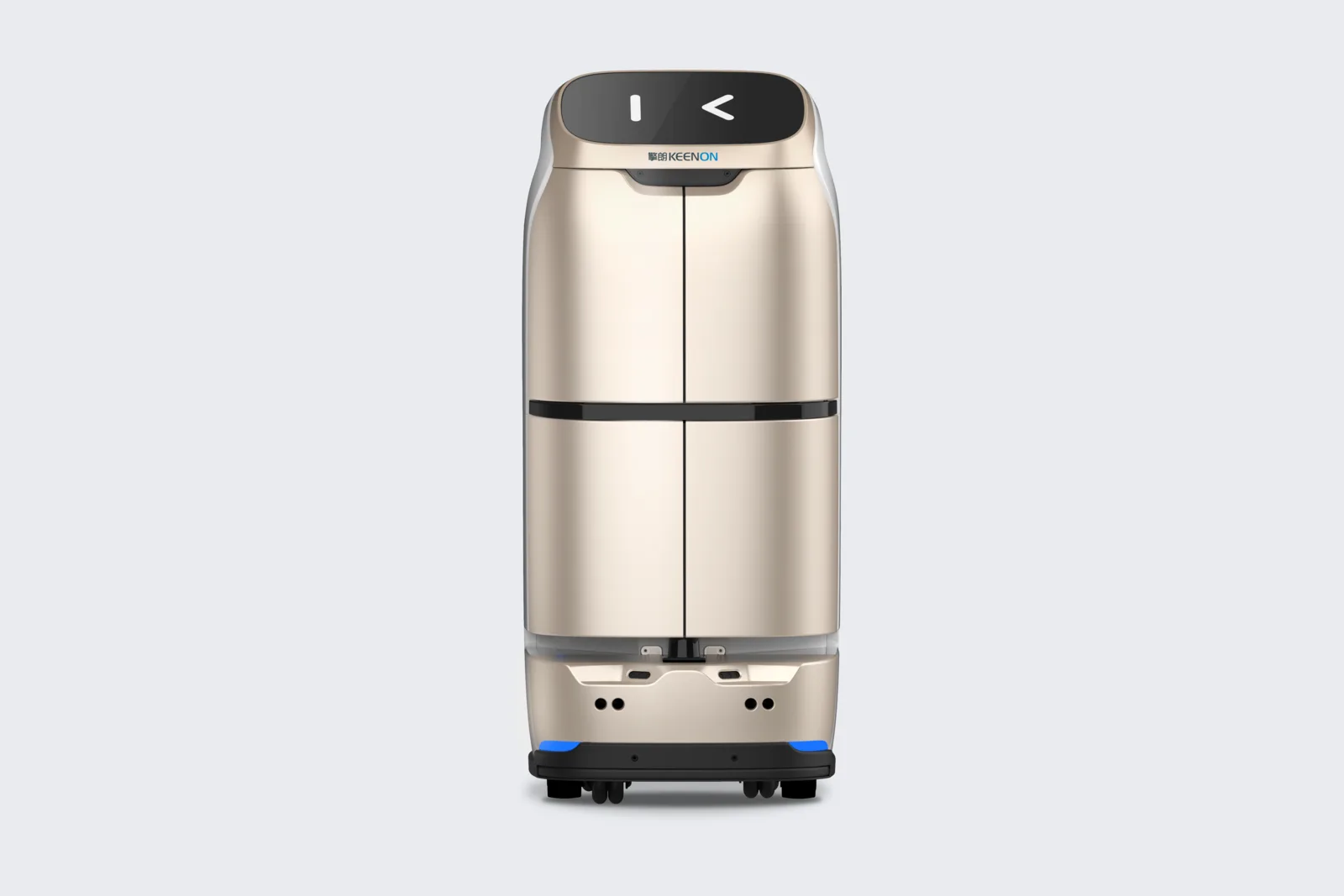
- The Butlerbot W3 is built to carry items between rooms, and between floors with lift integration.
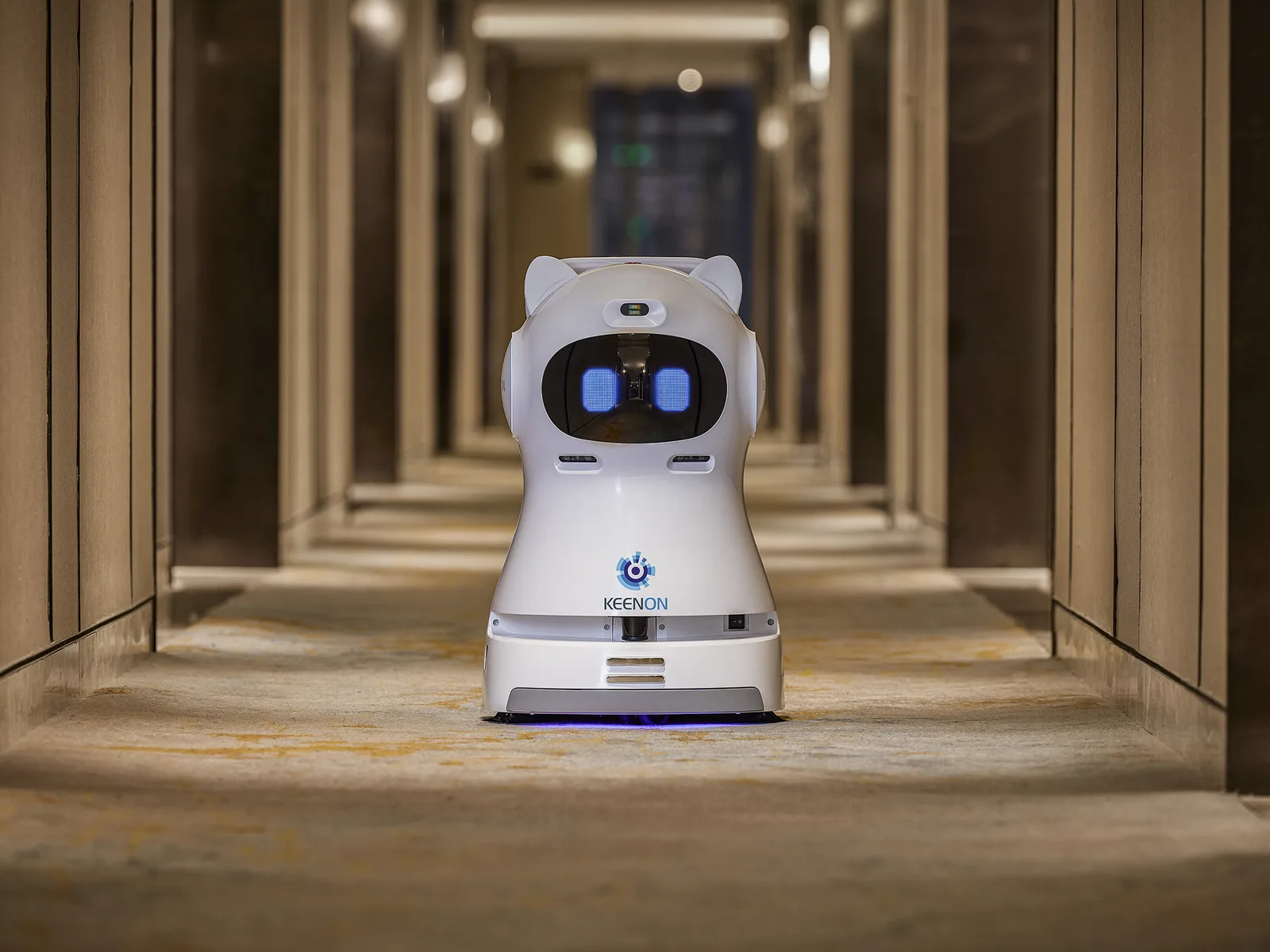
- The KLEENBOT C30 and KLEENBOT C40 clean floors.
The logic is simple. Time spent walking linen across a building is time not spent with a resident. If a robot takes some of the carrying, the person may be able to spend more of their shift on care. Whether that happens in your home is something to measure, not assume. The workforce is large and stretched: the AIHW's 2023 survey estimated about 549,000 staff, and 78% of direct care workers were personal care workers. In the Occupation Shortage List, Jobs and Skills Australia rated the Aged or Disabled Carer occupation as in shortage in 2025.
Local examples
Some Australian providers have tried logistics robots. BaptistCare Caloola in Wagga Wagga ran a pilot in 2025 with a carpet-vacuuming robot and a laundry-trolley robot that calls the lift. Tanunda Lutheran Home in South Australia has used robots for trolleys and disinfection. Those are other suppliers' machines, mentioned only to show the use case. They are the providers' own accounts, so read them as such.
Rights, privacy and consent
The Act includes a Statement of Rights that covers privacy. The Commission's standard on dignity, respect and privacy expects providers to have systems that protect residents' choices and privacy.
For a robot, that means three practical steps.
- Tell residents and families what the robot is, what it does and what its sensors capture. See our guide on privacy and cameras.
- Keep robots out of private spaces unless there is a clear reason and agreement.
- Plan routes so a robot never blocks a resident's movement. The Commission defines a restrictive practice as anything that restricts a consumer's rights or freedom of movement. A robot parked in a doorway is not a restrictive practice by design, but you should check with your clinical lead.
WHS comes with it
A robot is plant in a workplace with frail residents. Walk through the WHS checklist with your staff before it arrives. Think about walking frames, oxygen tubing and slow-moving residents in corridors.
What we can and cannot say
We cannot say a robot will improve your compliance, your care minutes or your audit result. We can say it takes on carrying and cleaning work that is outside direct care. If you want to test that in your home, talk to us. Our aged care page has more, and we supply across Australia.