Robots for hospitals
Hospitals have long corridors, many lifts and staff who should be with patients. Robots can carry routine supplies and clean corridors, within the rules your infection control and facilities teams set.
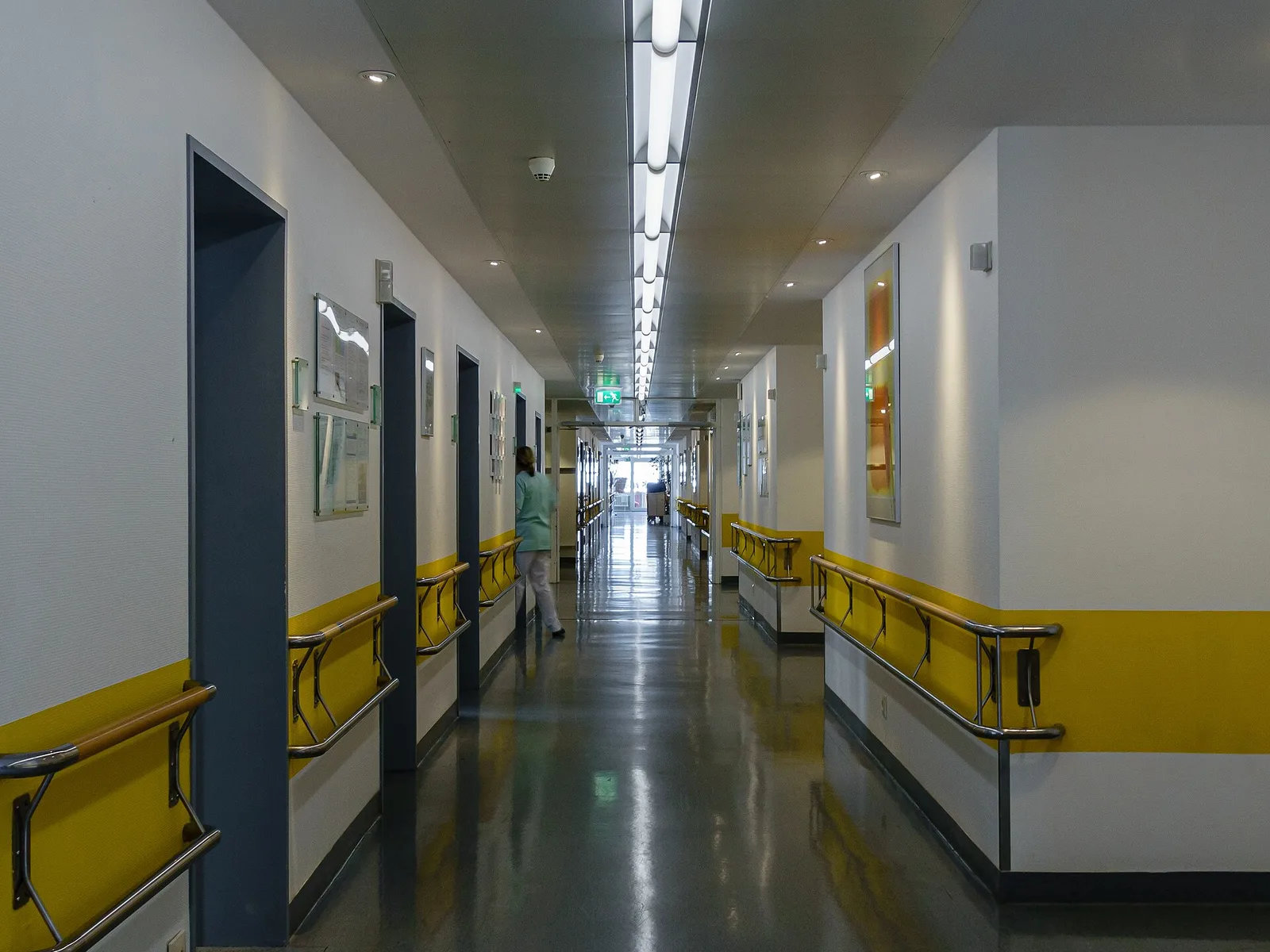
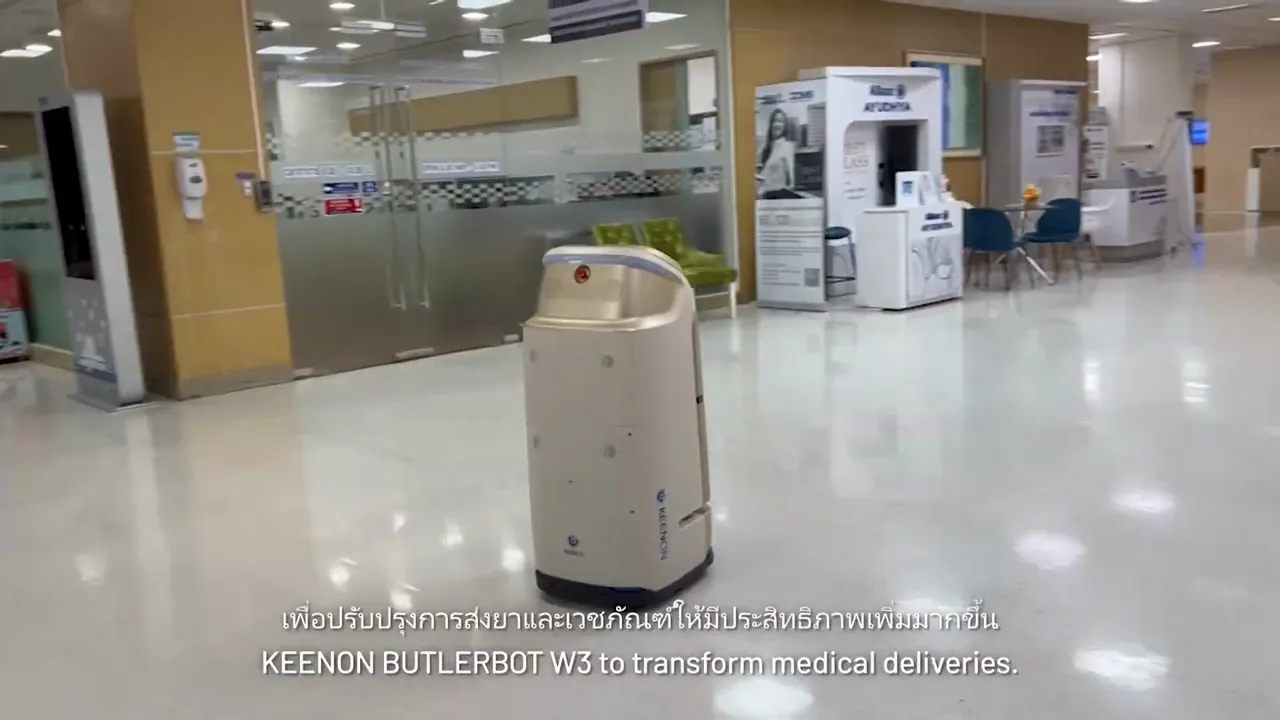
Photograph: Friedrich Haag, Wikimedia Commons (CC BY-SA 4.0)
A hospital is a hard place to introduce a robot, and a good place to look at one carefully. The work is constant, the corridors are long and the people carrying boxes are often clinical staff.
The jobs a robot takes on
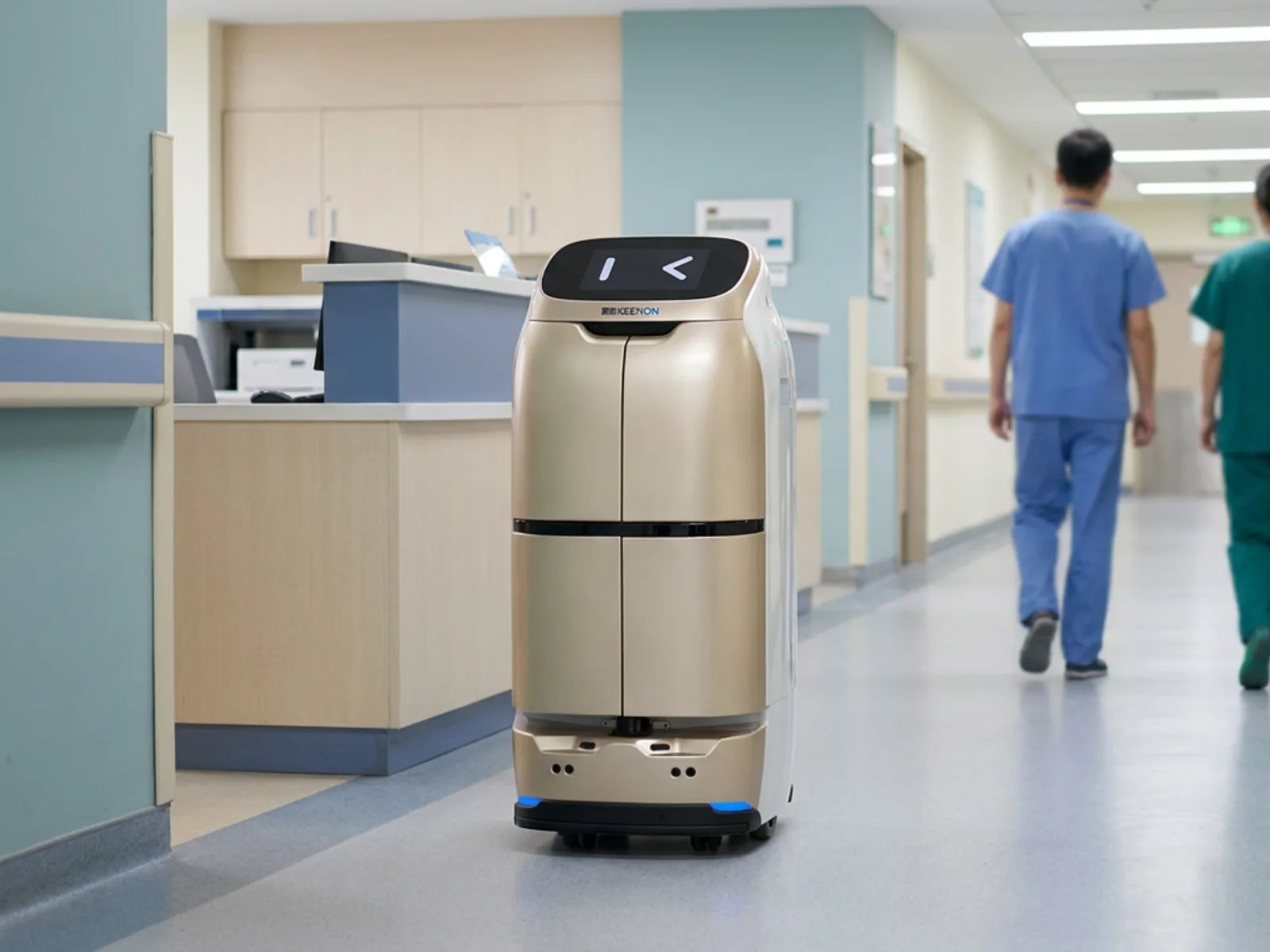
Supply runs between wards. The Butlerbot W3 has enclosed compartments. It suits routine, non-clinical items such as stationery, consumables, patient property and sealed supplies, moved from a store to a ward and between floors on an integrated lift.
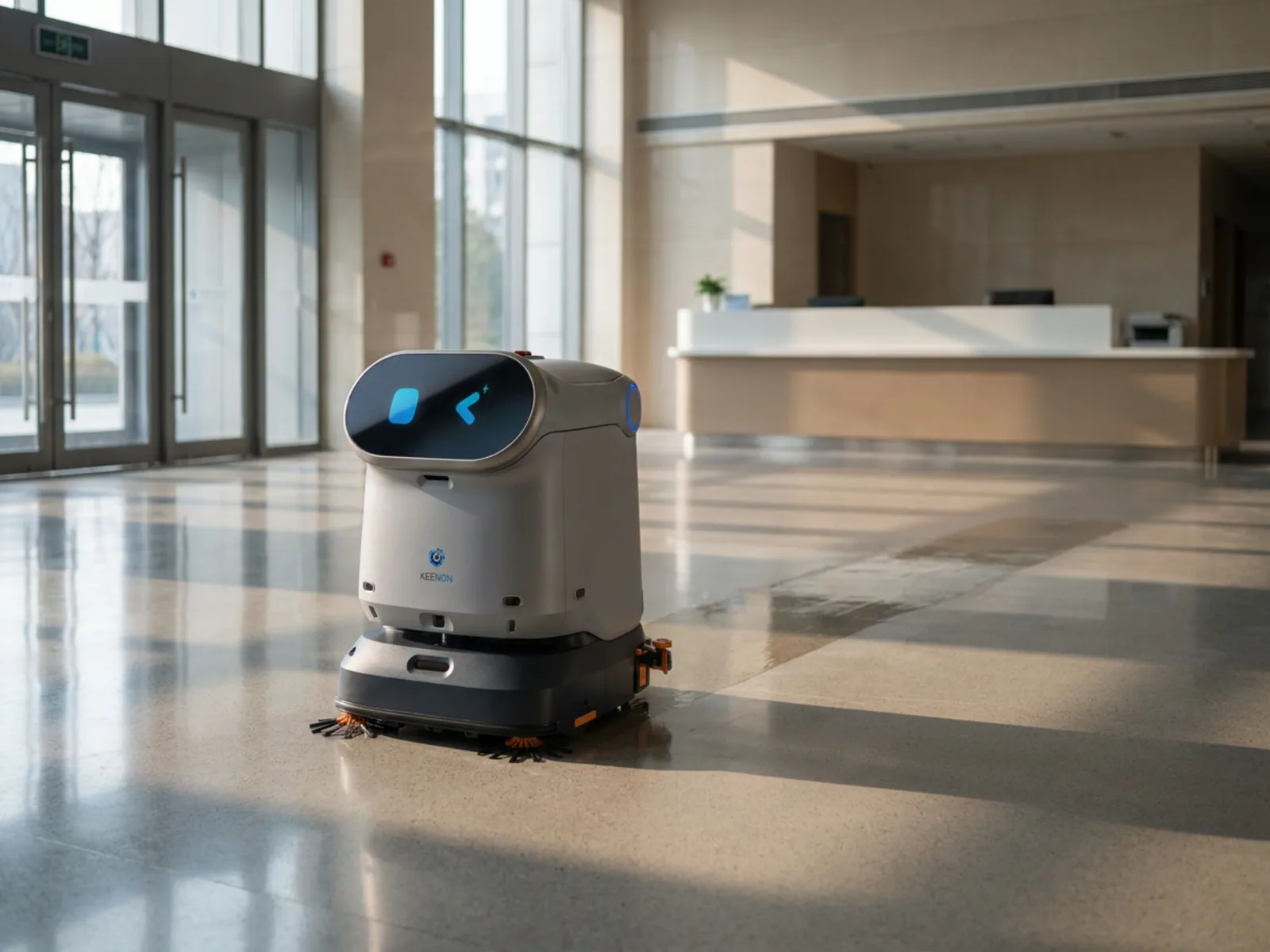
Corridor and foyer floor cleaning. The KLEENBOT C40 cleans hard-floor corridors, foyers and waiting areas on a schedule, often out of hours.
What is left out. Specimens, medication and anything with clinical handling rules stay with your existing processes. Robots do not enter theatres, sterile areas or patient rooms.
The labour context
Public hospitals employed 486,000 full-time equivalent staff in 2024-25, 42% of them nurses. Support work sits with other people. Queensland Health describes operational services officers who clean wards, help with meals, laundry and waste, and move equipment and supplies, and wardspersons who move patients, trolleys and devices.
That is the work a delivery or cleaning robot can share. Queensland Health's Statewide Robotics Plan 2024-2029 says robots should support staff, with re-training where roles change. We do not put numbers on what a robot saves, because that depends on the building and nobody has published figures for this setting that we would stand behind.
The practical constraints
Hospitals have more gates than hotels or offices:
- Infection control. Your team decides where robots may travel and how they are cleaned between uses.
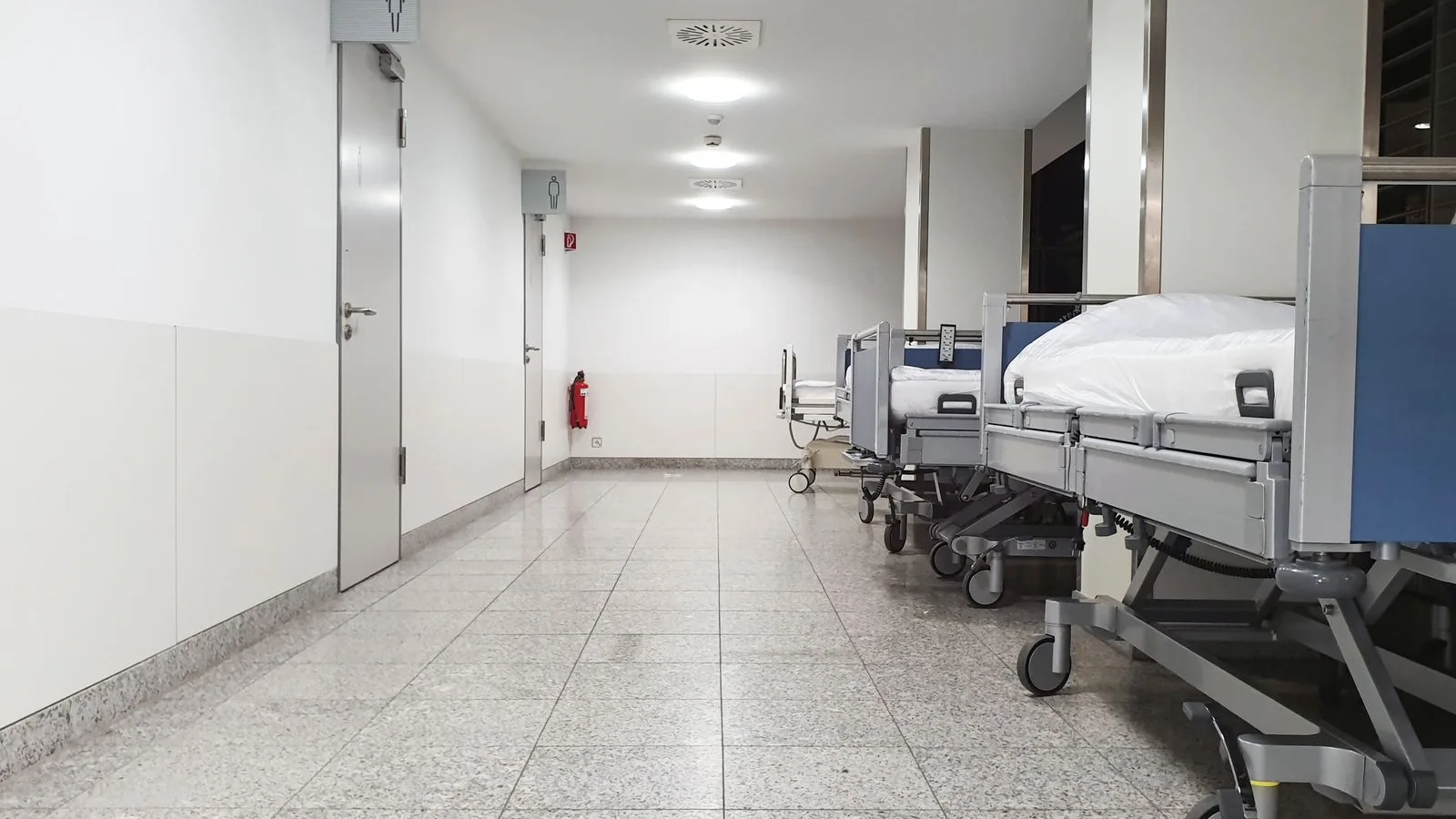
- Lifts. Hospital lifts carry beds and urgent traffic. A robot must yield and should never compete for a lift in an emergency. Integration needs your lift contractor.
- Wi-Fi and IT. Robots join your network. Your IT and security teams will want to know how.
- Procurement. Public hospitals follow state procurement rules. That is slower than a private buyer, and we will not pretend otherwise.
A sensible way in
A single ward, a private hospital wing or a day-surgery facility is usually a better first project than an entire campus. We would survey the route, agree the jobs with ward and facilities staff and start small.
Terms
Price, rent or buy, trial and servicing are set per site. Ask us.
Book a demo to talk through one route in your hospital.
The robots for this work
Room delivery
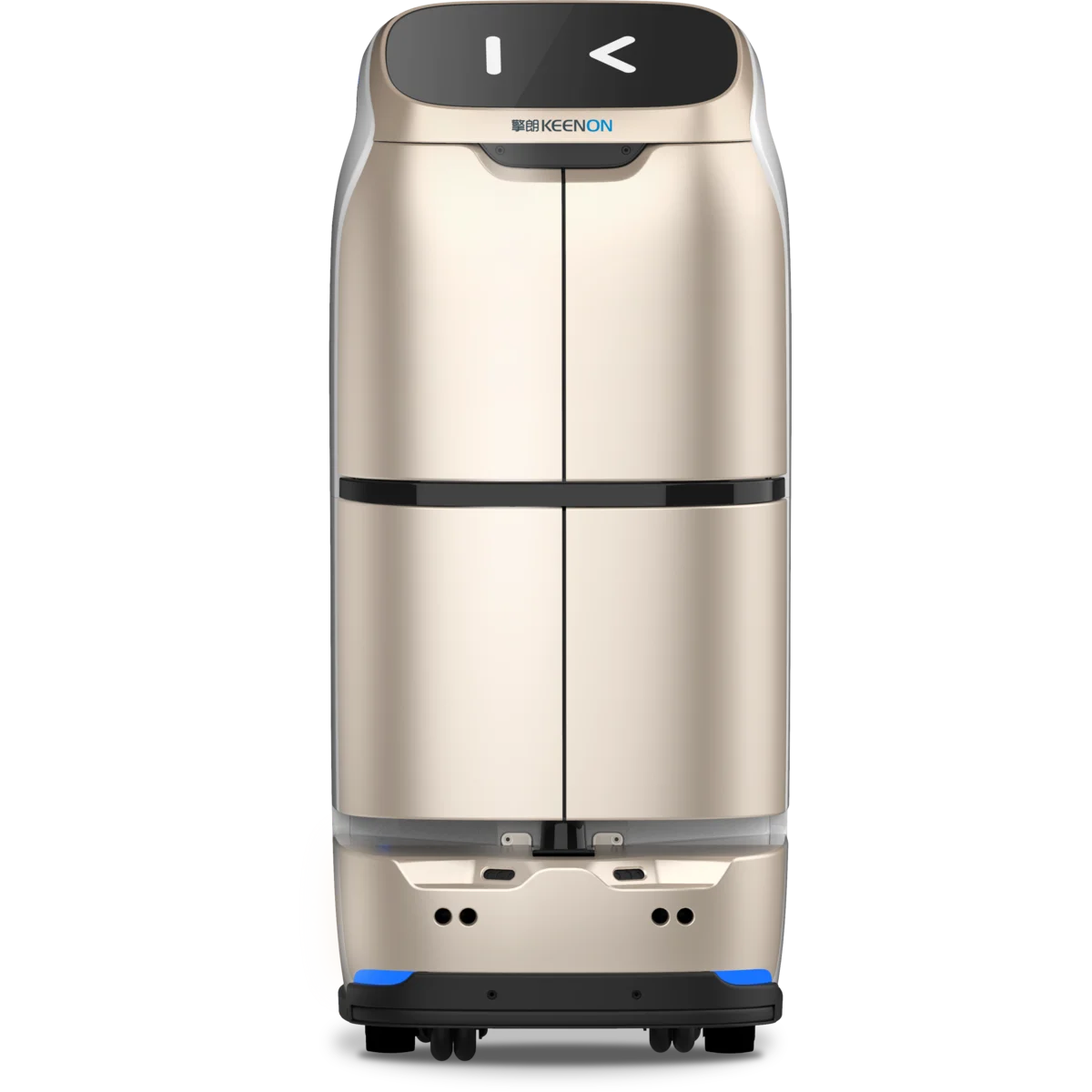
BUTLERBOT W3
Keenon's enclosed delivery robot for hotels and similar buildings. Up to four compartments, automatic doors and the ability to take the lift.
Floor cleaning
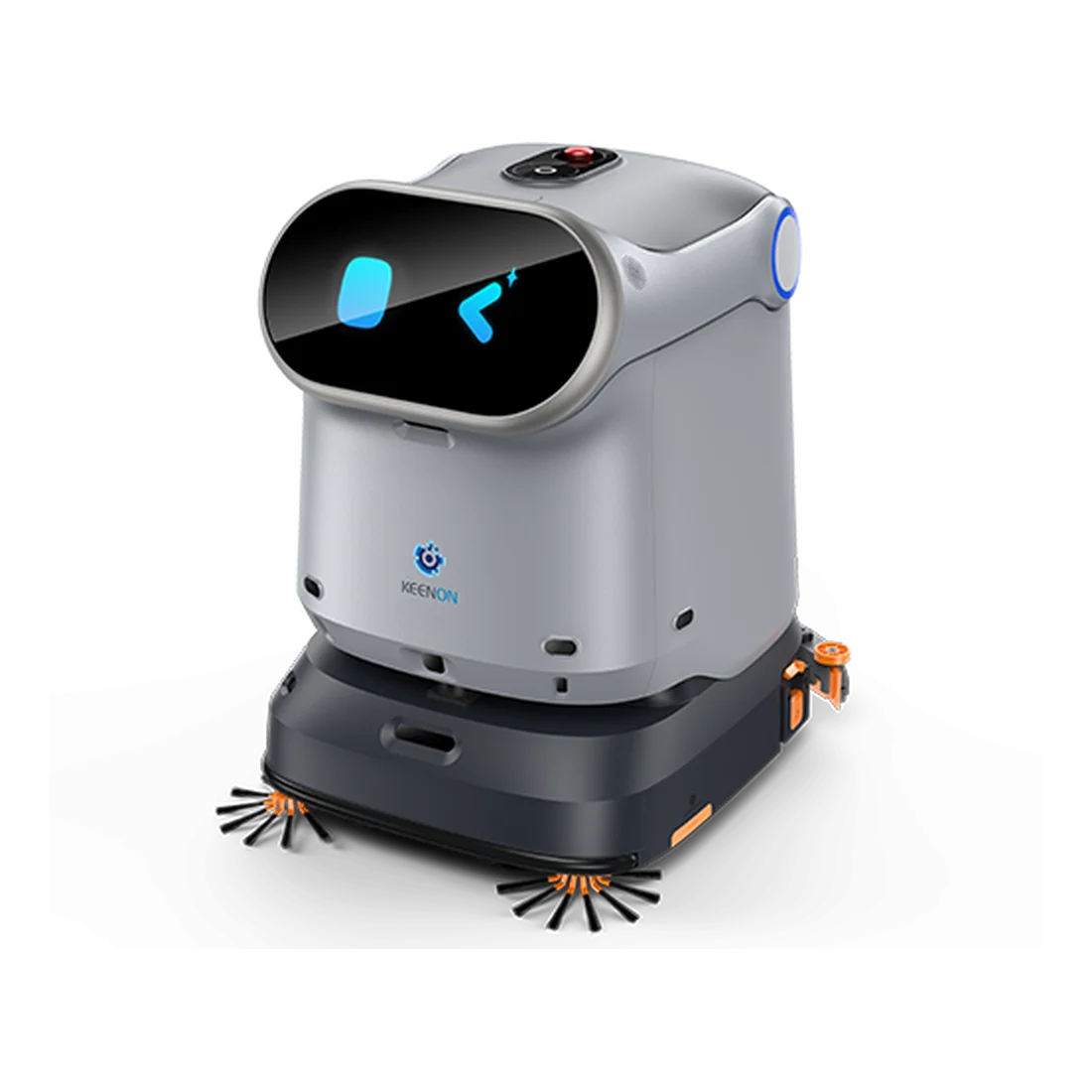
KLEENBOT C40
Keenon's 4-in-1 floor cleaning robot. It sweeps, vacuums, scrubs and dust pushes, on hard floors and short-pile carpet.
Questions we get asked
Can a delivery robot carry specimens or medication?
We do not position the Butlerbot W3 for specimens or medication. Those have their own handling, chain of custody and regulatory rules. We talk about routine supplies, linen and non-clinical items, and leave clinical logistics to your own systems.
Who needs to approve a robot in a hospital?
Usually facilities, infection prevention and control, clinical governance, IT and security, and often procurement. We can provide the information each group asks for, but approval is yours.
How long does buying take in a hospital?
Public health procurement usually has its own process and timeline. We are open about that. A private ward, day hospital or wing is often a simpler place to start.
Do robots disinfect?
No. The cleaning robots sweep, vacuum or scrub floors. They do not replace disinfection or your cleaning protocols.
How do robots behave around patients and trolleys?
They slow or stop for people and obstacles and take a route that has been mapped in advance. In a hospital, we plan the route with ward staff and keep clear of areas that need to stay free.
Can the robot go into isolation or infection control areas?
We would not send it there unless your infection prevention team agrees and sets the rules. Hospitals decide where robots may travel and how they are cleaned between uses.
What about lifts that carry beds and emergency traffic?
A robot has to yield, and it should not compete for a lift in an emergency. Integration needs your lift contractor and your facilities team to agree the rules.
Can it clean corridors overnight?
Yes, the KLEENBOT C40 can clean hard-floor corridors and foyers on a schedule, often out of hours. The route and times are agreed with facilities and ward staff.
What is a sensible first project in a hospital?
One ward, a private hospital wing or a day facility, with one route and one clear job. It is easier to prove and easier to approve than a whole campus.
Does it work with swipe-card doors?
Keenon lists a robot access control module among its accessories but does not explain how it fits a given door. We confirm what is possible for your doors at the survey.
See one on your floors
Tell us about your building and we will book a demo with a Keenon robot.