Lift integration for delivery robots: what your lift company needs to know
A robot that rides your lift touches regulated plant. This brief is for the lift owner and the lift company: what to ask, what to record and what not to assume.
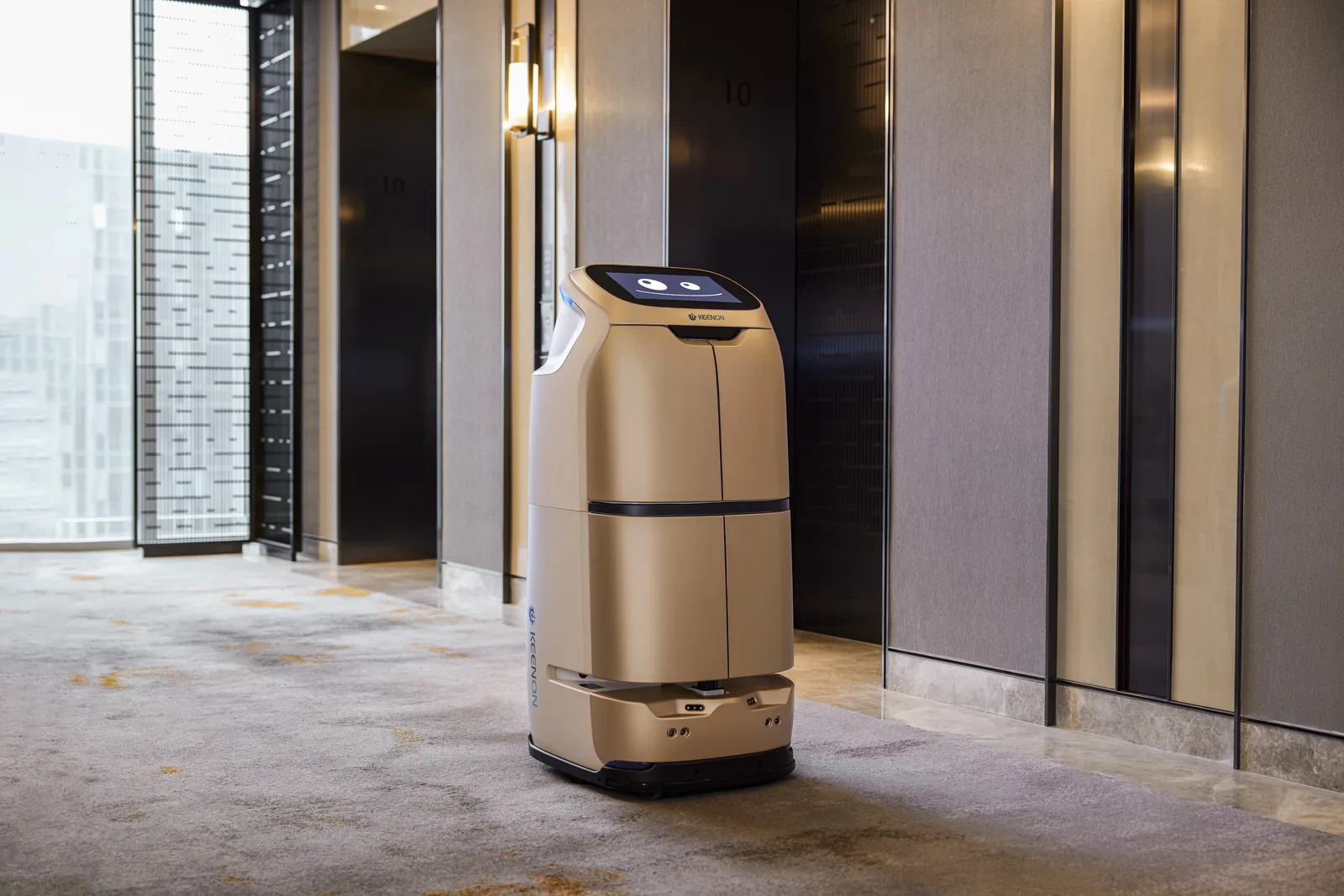
Our earlier guide, how a delivery robot rides the lift, covers the basics. This one is a brief for the people who own and maintain the lift. It is general information, not legal advice. Your state or territory regulator and your lift contractor have the final say.
A lift is regulated plant
Lifts are not ordinary building services. SafeWork NSW says people with management or control of lifts must ensure they operate safely and are regularly inspected and maintained. Lifts are plant that must be registered with the regulator, and records of inspection and maintenance must be kept. That is the NSW position. Other states and territories have their own rules.
For an owner, the point is plain. Before a robot is wired to the lift, the lift contractor needs to be in the room.
Changes to the controller
A robot lift module has to call the car, hold the door and select a floor. That means it talks to the lift controller.
WorkSafe Queensland explains that if a registered lift design is altered and the change may affect health and safety, the altered design must be registered, and the lift must not go back into service until registration is granted. Its examples include changes to the electrical, control or mechanical configuration of the lift system. It also says that a replacement controller whose safety functions have identical inputs and outputs needs no notification.
We are not saying a robot interface triggers this. Whether it does depends on the lift, the interface and the state. The lift contractor and the regulator can tell you. Ask early, and ask in writing.
Fire service recall
The National Construction Code requires a fire service recall control switch for lifts. In recall, the lift returns to a nominated floor, and the doors must not close in response to car calls. Appendix A of AS 1735.1 and 1735.2 also provides for emergency services to override the lift.
For a robot, the question is simple. In recall or fire mode, what does the robot interface do? The robot must not be able to override the recall or hold a car. Ask your contractor to confirm, and ask the supplier to describe the behaviour.
The standards
The AS 1735 series covers lifts, escalators and moving walks. Current parts include AS 1735.1.1:2022 (general requirements) and AS 1735.1.2:2021 for passenger and goods passenger lifts. Your lift contractor will know which part applies to your lift's age and type. The NCC also sets out accessible features that passenger lifts must have. A robot should not take away from those.
What Keenon publishes
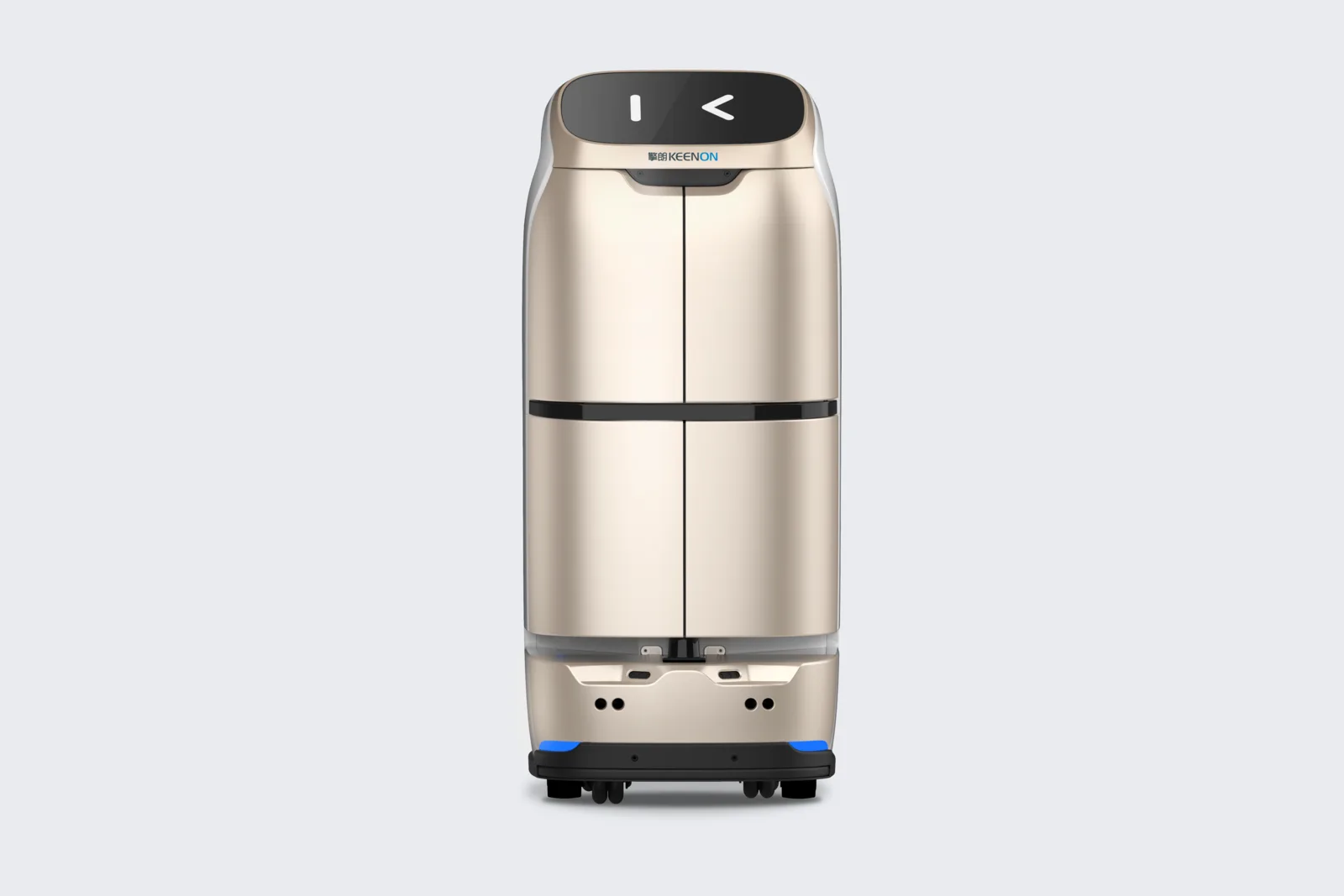
Keenon's W3 page describes an "IoT Elevator Rider" and lists lift-related accessories. It does not publish a list of supported lift brands, controller types or the communication protocol. Nor does the C40 page, which mentions elevator and door passing. So we do not promise compatibility with any make. We check lift by lift.
Questions to put to your lift company
Pass this list to your contractor.
- Make, model, install year and controller type of each lift the robot would use.
- Is there an existing interface for building systems, and can it accept a robot module?
- Would the change alter the registered design, and does your regulator need to be told?
- What does the robot interface do in fire service recall, out of service and power failure?
- Who is liable for the lift after the change, and does the maintenance contract cover it?
- Is there Wi-Fi in the car and landings? See our hotel readiness list.
- How long will the lift be out of service for the work?
What to record
Keep the contractor's written advice, any regulator correspondence, the supplier's integration description, test results and a note of who signed off. It is also worth telling your insurer.
If the lift cannot be integrated
A robot such as the Butlerbot W3 can still work on one level. We will say so at the survey if the lifts are the problem. For site types, see our pages for hotels, aged care and hospitals. Contact us with your lift details and we will help you prepare the brief.