Carpet or hard floor: choosing a cleaning robot
Floor type decides which cleaning robot fits a building. Carpet is the usual catch. Here is how to think about it.
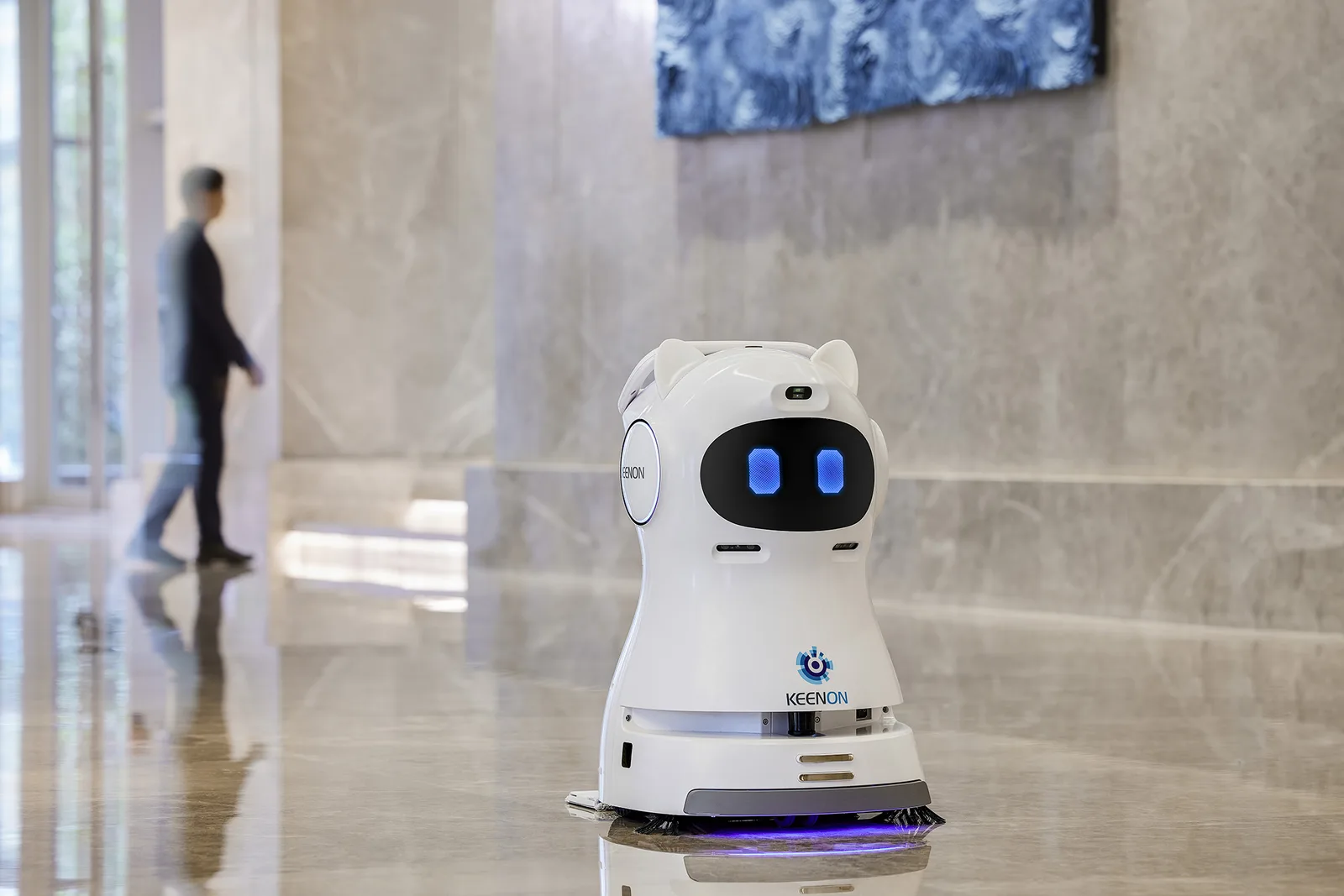
Before choosing a cleaning robot, walk the building and note what you are standing on.
Hard floors
Tile, stone, vinyl, sealed concrete and timber are the easiest. A robot can sweep, vacuum or scrub, depending on the model. Lobbies, kitchens, back of house, foyers and dining rooms are good first jobs.
Carpet
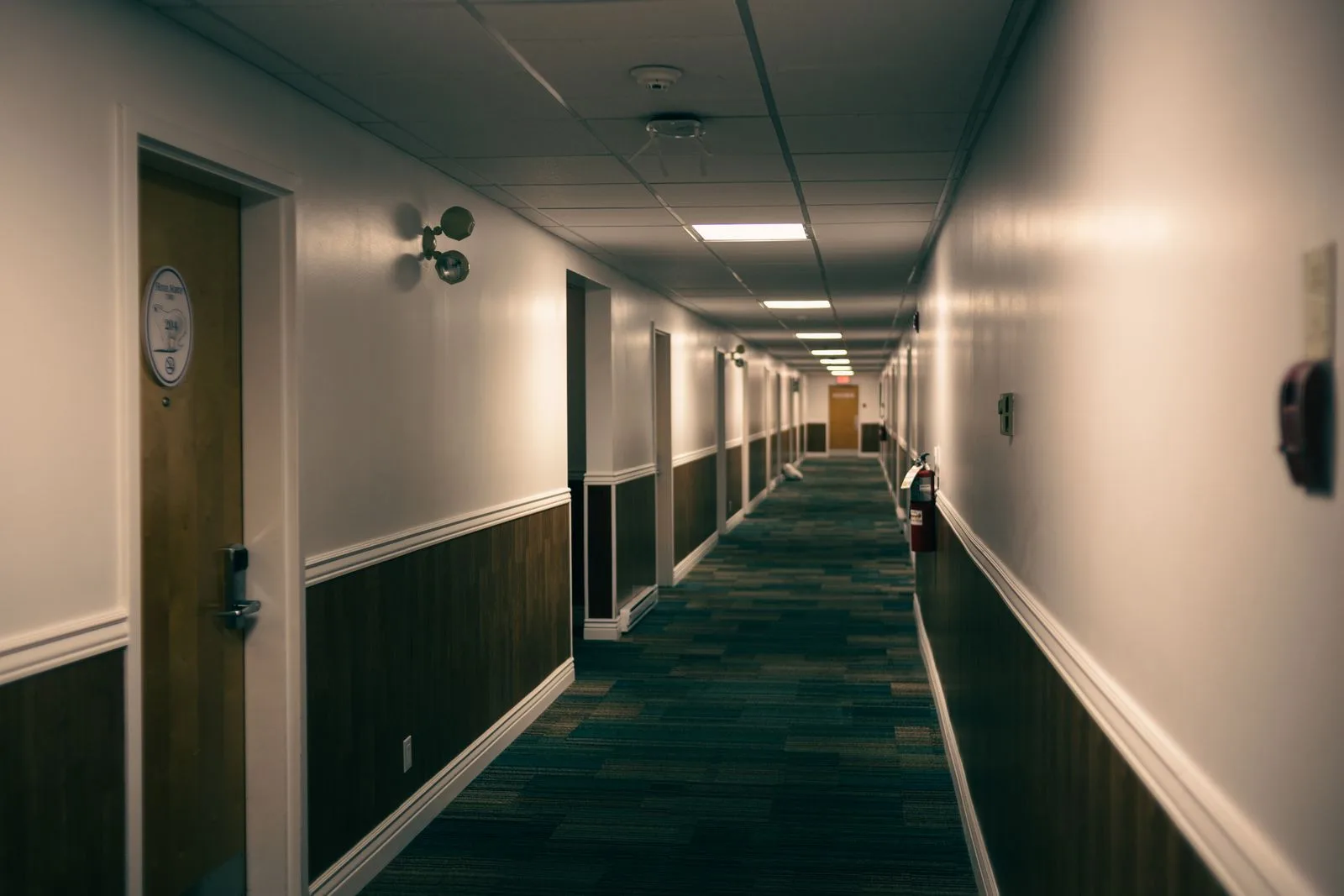
Hotel guest corridors, offices and function rooms are often soft-floored. Not every cleaning robot is made for that. Pile height matters, and so does whether the robot can switch mode when the surface changes. Look at Keenon's published details on the KLEENBOT C30 and KLEENBOT C40 pages, and keep to those figures.
Vacuuming by a robot is maintenance cleaning. It is not deep cleaning. Spills, stains and ground-in soil still need a person and an extractor.
Mixed floors
Many buildings change from carpet to tile in a few metres. A robot that detects the change and adjusts saves you running two machines. Whether it does, and how well, is on Keenon's spec sheet for each model. We test on your floors.
Other things that decide it
- Width. Corridors and doorways limit how big a robot can be.
- Lifts. Cleaning several floors means the robot has to ride the lift, or you need a robot per floor.
- Noise. Check Keenon's published noise figure and consider the hours you will run it.
- Weight. Nobody wants to carry a heavy robot up stairs.
What the robot does not do
It does not empty bins, clear furniture, clean edges as well as a person or work inside guest rooms. People still do the detail.
Book a demo and we will try one on your floor.