Electrical approvals for imported service robots in Australia
A robot is a battery, a charger and a radio. Each has Australian rules. Here is what RCM, EESS and ACMA mean and what to ask your supplier for.
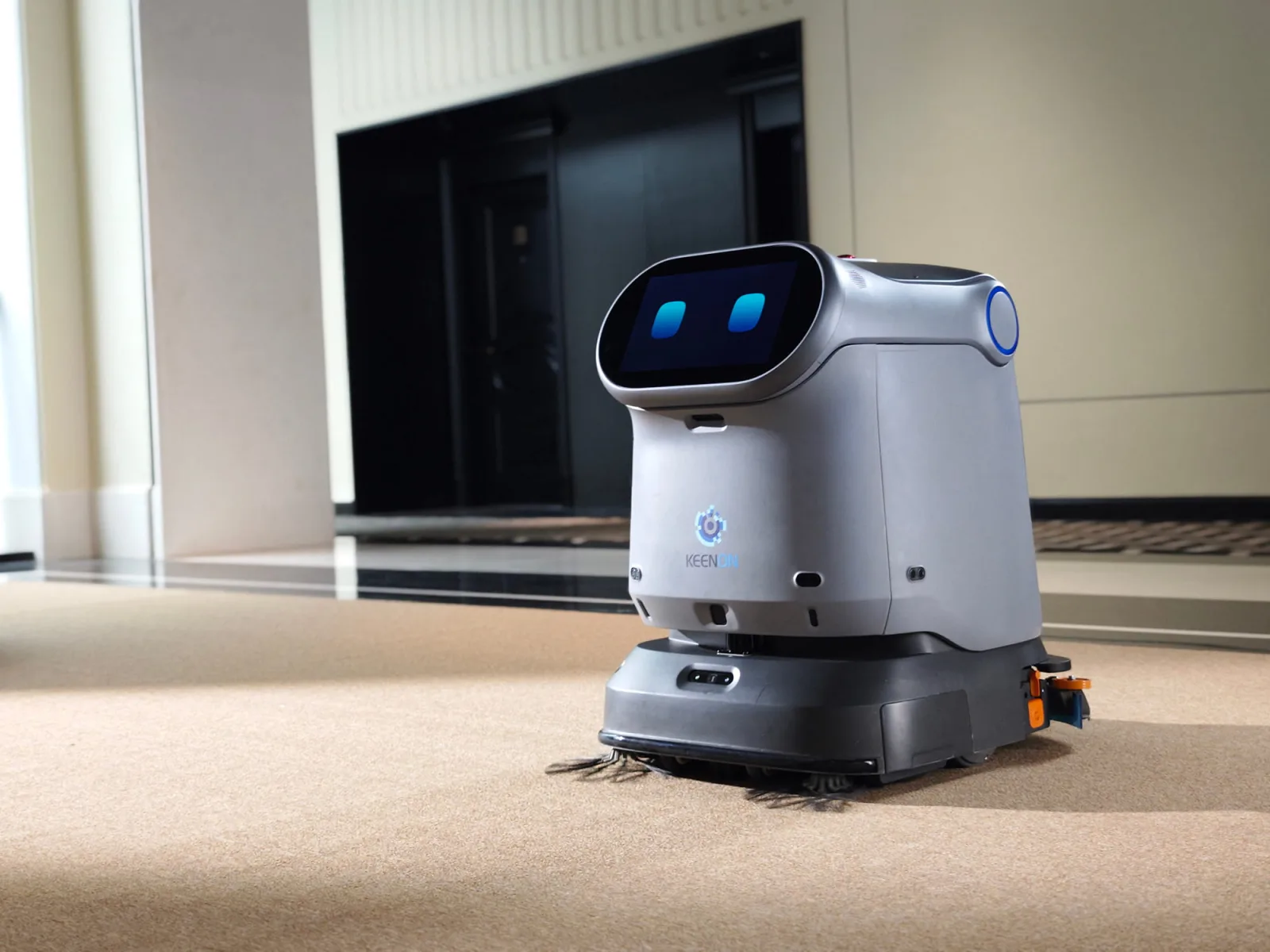
A service robot looks like one product. In law it is several. It has a battery pack, a charger, motors, a mains plug and radios for Wi-Fi and lift control. Australia regulates the electrical side and the radio side separately. If you are buying an imported robot, you should know who carries that responsibility.
This guide is general information, not legal advice. Check with your state electrical safety regulator and the ACMA for your own case.
The Regulatory Compliance Mark
The Regulatory Compliance Mark (RCM) is the single mark used for electrical equipment in Australia and New Zealand. The EESS says the authority to apply it sits with the responsible supplier. The mark links the product to that supplier.
The rule is blunt. The EESS FAQ says you must not sell unmarked in-scope electrical equipment.
Who the responsible supplier is
A responsible supplier is the Australian or New Zealand entity that manufactures or imports the equipment. It must hold an ABN, register on the national database and declare that the equipment is electrically safe and meets the relevant standards.
An overseas factory cannot fill this role. So when a robot comes in from overseas, someone local has to take the legal responsibility. That is the party to ask.
Registration levels
Equipment is sorted into three risk levels. The EESS says Level 2 and Level 3 equipment must be registered by the responsible supplier before it is supplied. For Level 3, a valid Certificate of Conformity from a recognised certifier is also needed.
Which level a robot, battery or charger falls into depends on the item. We have not seen a published ruling for these models, so do not assume. Ask your supplier to state the level for each electrical part and to show the registration.
The radio side
Wi-Fi and Bluetooth devices are covered by the ACMA. Its supplier guidance says suppliers must arrange any required testing, register on the national database, keep compliance records and label products. The technical standards sit in the Radiocommunications Equipment (General) Rules 2021.
Testing depends on the product's compliance level. Some levels need no testing. Others do. Again, the supplier carries the burden, and the ACMA can audit it.
What Keenon publishes
Keenon's About page has a certification section, but it shows badges without naming the schemes or standards. We have not seen the certificates themselves. Overseas test reports, whatever their scheme, are useful evidence. They are not an Australian registration.
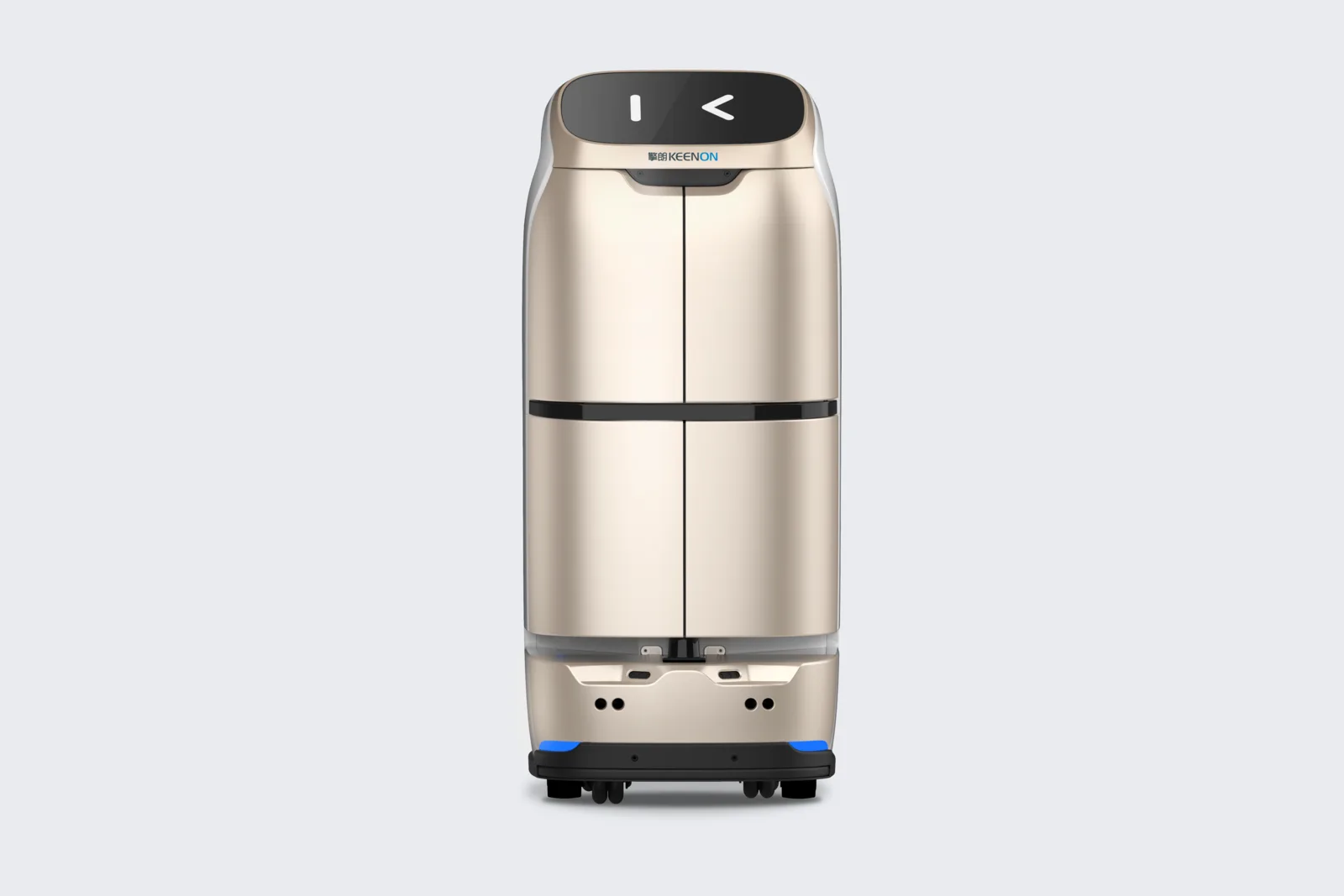
We have not found a published RCM, EESS or ACMA statement for the Butlerbot W3, KLEENBOT C30 or KLEENBOT C40 on Keenon's site. We will not claim one here.
What to ask any supplier
Put these in your tender or purchase email.
- Who is the responsible supplier, and what is its ABN?
- What EESS level applies to the robot, the battery and the charger? What are the registration numbers?
- Is the RCM on the product and the charger?
- Does the product meet the ACMA rules for its Wi-Fi and Bluetooth parts? Can you see the compliance records?
- Are test reports and the Certificate of Conformity available to you on request?
- What happens to the warranty if a part is swapped, such as a battery?
- Who holds the safety information that WHS law requires a supplier to pass on? See our WHS checklist.
If the answer is vague, wait. A robot that cannot show its paperwork is a risk to your insurance and your reputation, whatever it can do on the floor.
Why it matters to you
Buyers often assume the paperwork is the supplier's problem. Mostly it is. But you are the one with the robot plugged in, charging overnight in a corridor, in a building you are responsible for. Ask early and keep the answers on file.
If you are weighing a purchase for a hotel, an aged care home, a hospital or an office or club, contact us and ask for the approvals pack for your model. We serve buyers across Australia.